






Qness洛氏硬度计综合了坚固的结构设计和具有最佳用户便利性的数据管理界面。 通过添加可选的附加模块,可以实现精细的光学测量和全自动。
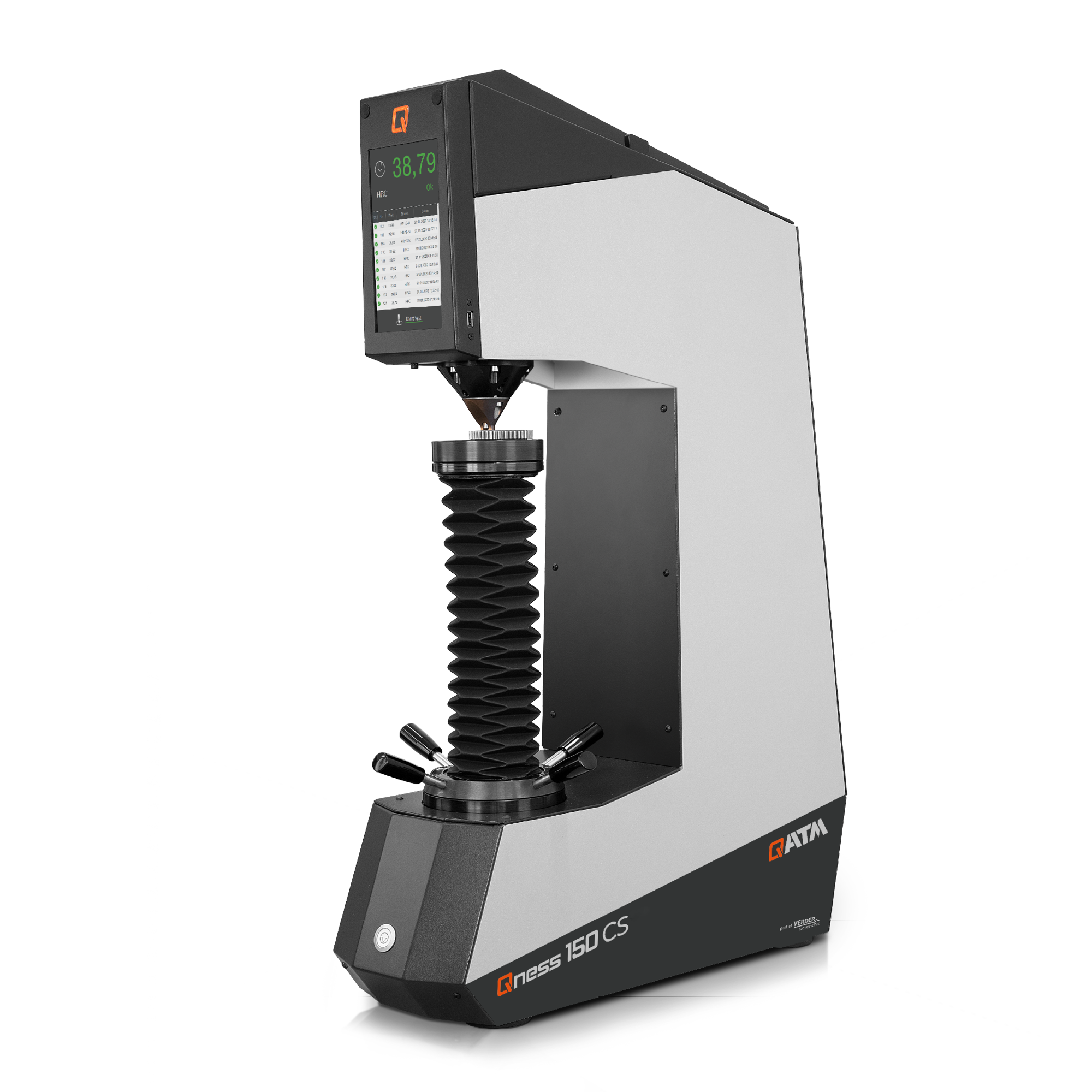
- 测试方法 洛氏, 布氏, 维氏
- 控制: 带手动丝杠的C型机架
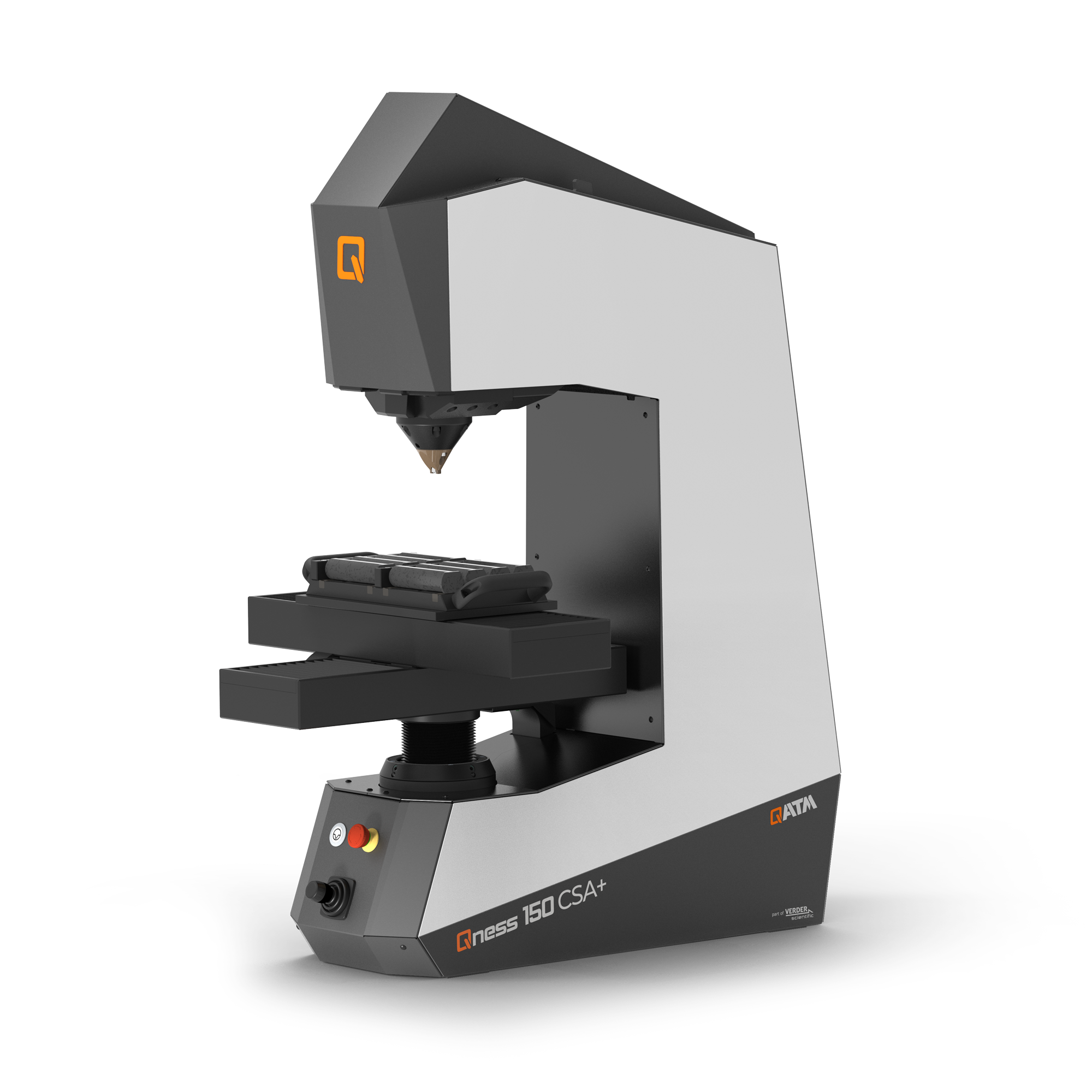
- 测试方法 洛氏, 布氏, 维氏
- 控制: 全自动
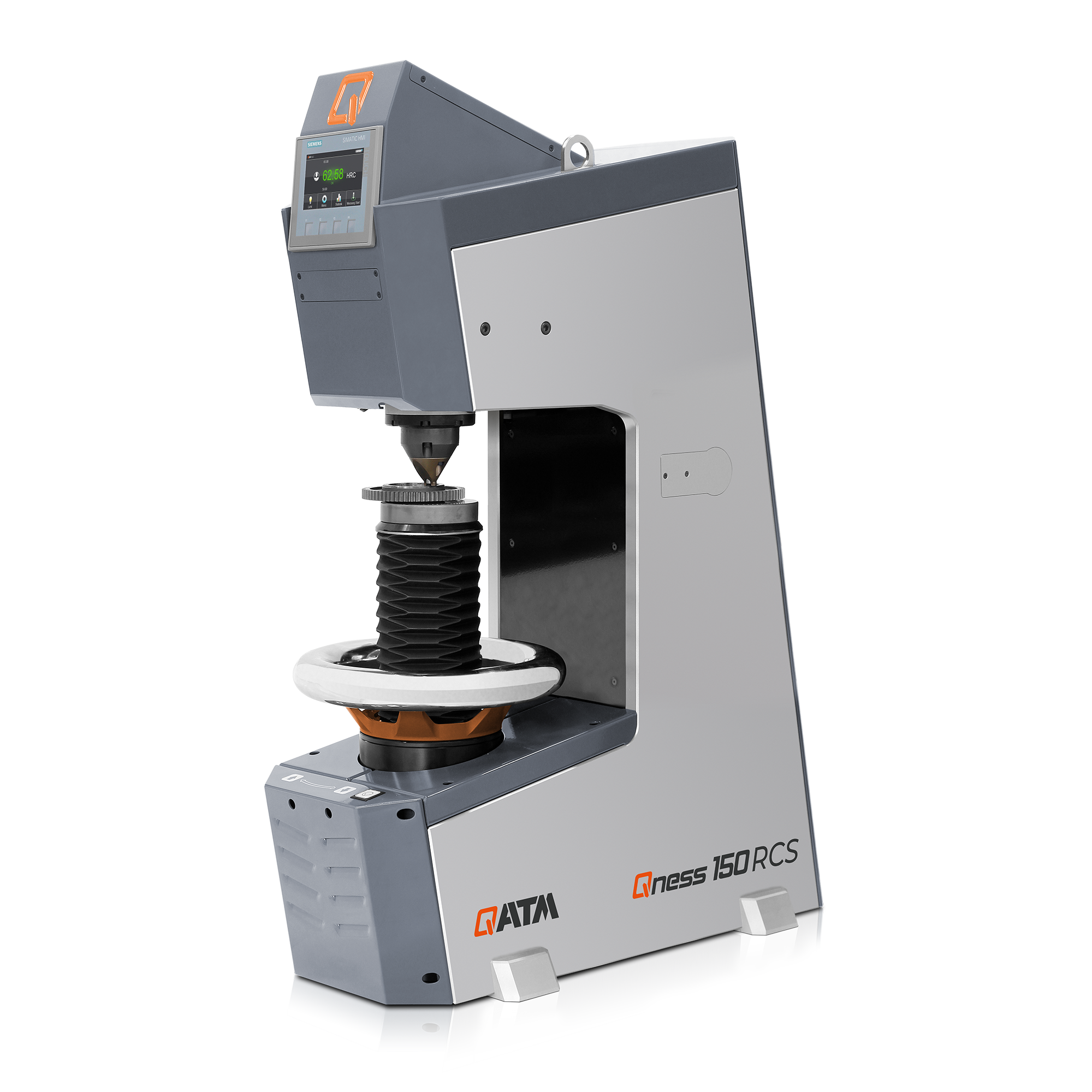
- 测试方法 洛氏, 布氏
- 控制: Siemens S7 PLC
- 优化的测试周期
背景信息 洛氏硬度测试 (DIN EN ISO 6508)
1907年, Ludwik发表了使用金刚石圆锥的压入深度来评价材料硬度的提议。此外,样品表面的影响可以通过施加初始试验力加以消除。 直到1922年,美国人Rockwell在Ludwik思路的基础上, 成功地开发初一种有用的硬度测试方法。由于该方法的简便性, 洛氏硬度测试很快被应用到工业中。
用于洛氏硬度测试的压头
在洛氏测试中,使用顶角为120°的金刚石圆锥或两个硬化钢球(直径1/16英寸=1.5875mm或1/8英寸=3.175mm)作为压头。只有在产品规范中明确要求或单独商定时,才使用钢球。如果需要或商定,也可使用直径为6.356或12.70mm的硬质合金球。
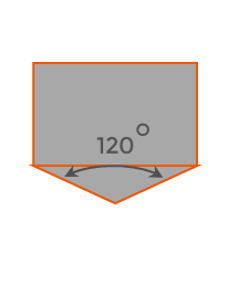
120°金刚石圆锥
HRA, HRC, HRD, HR 15 N, HR 30 N, HR 45 N
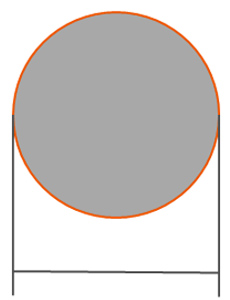
Ø 3.175mm
硬化钢球
HRE, HRH, HRK
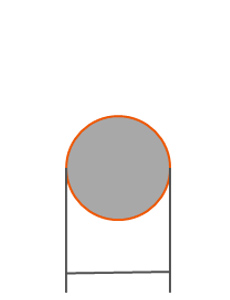
Ø 1.5875mm
硬化钢球
HRB, HRF, HRG, HR 15 T, HR 30 T, HR 45 T, HR Bm, HR Fm
洛氏硬度测试的3个步骤
- 压头首先用特定的初始试验力F0压入试样表面。这是为排除表面状态对硬度值的影响,例如鳞片层、硬化层等。在此初始力下,压痕最初压入样品的距离为t0。为了产生初试验力,通常将试样压在压头下,直到施加所需的试验力。
- 在第二步中,施加额外的测试力F1。压头现在进一步压入试样以深度Dt。施加额外试验力(从初始力开始)时必须无冲击或振动,并且在2-8秒内无过载,并在4±2秒内须保持恒定。
- 在第三步中,施加载荷再次卸载至初始力F0。压头向上移回,带来弹性变形回复tel ,从而留下的压痕深度是tbl。硬度值可以直接显示在硬度计上,或者可以根据测量的压痕深度来计算。
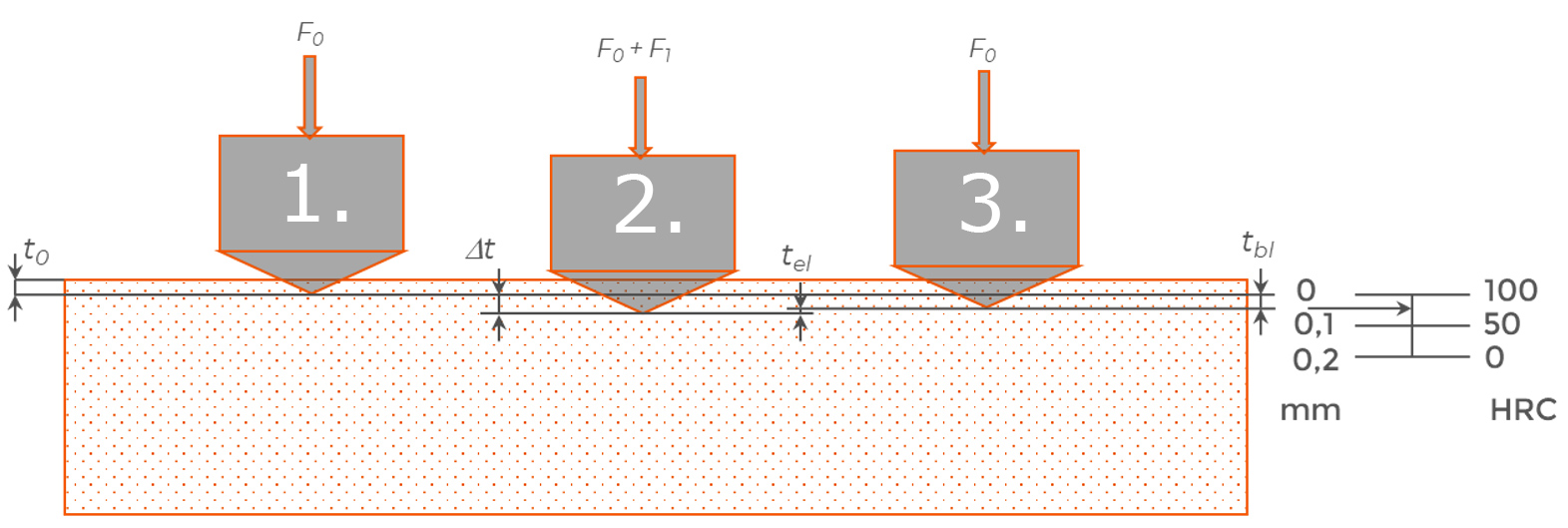
Δt = 施加额外测试力F1时的附加压痕深度
tel = 释放初始力F0后的弹性回复变形
tbl = 释放初始力F0后的永久压痕深度
洛氏硬度测试结果
洛氏测试的结果由下列决定:
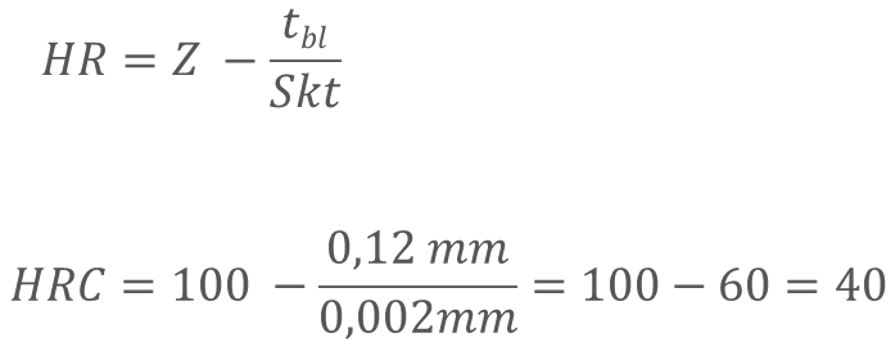
在HRC方法中, Z为100,刻度Skt为0.002 mm。 如果所测得的永久压痕深度为0.12 mm,C型洛氏硬度值为40HRC。
根据标准 DIN EN IS 6508-1,洛氏硬度测试结果具体表示如下:
60 HRC W ⇒ 洛氏硬度值
60 HRC W ⇒ “洛氏硬度”的通用标记符
60 HRC W ⇒ 硬度标尺符号
60 HRC W ⇒ 球压头材质的标识 (使用金刚石圆锥时不显示)
洛氏硬度计 - 常见问题
What is a Rockwell hardness tester used for?
A Rockwell hardness tester is used to measure the hardness of materials, particularly metals and polymers. It provides a quick and direct hardness reading, making it ideal for quality control and material testing in manufacturing environments.
How does the Rockwell hardness test work?
The Rockwell test involves pressing an indenter (either a steel ball or a diamond cone) into the material's surface under a preliminary minor load. Then, an additional major load is applied, and the depth of penetration is measured after removing the major load. The hardness value is determined from the depth of the indentation.
What are the different scales in Rockwell hardness testing?
Rockwell hardness testing features multiple scales, such as A, B, C, etc., each using different indenter types and loads suitable for various materials. The most common scale for metals is the Rockwell C scale (HRC), which uses a diamond cone indenter and is often used for harder materials like steel.
What are the advantages of using a Rockwell hardness tester?
Rockwell hardness testers offer rapid and straightforward testing with direct readouts, minimal sample preparation, and a wide range of scales to accommodate different materials. They are suitable for both laboratory and shop floor environments
What factors can affect the accuracy of a Rockwell hardness test?
Accuracy can be influenced by factors such as surface finish, sample thickness, and proper alignment of the indenter. It's crucial to use the correct scale for the material being tested and ensure the equipment is well-calibrated and maintained.