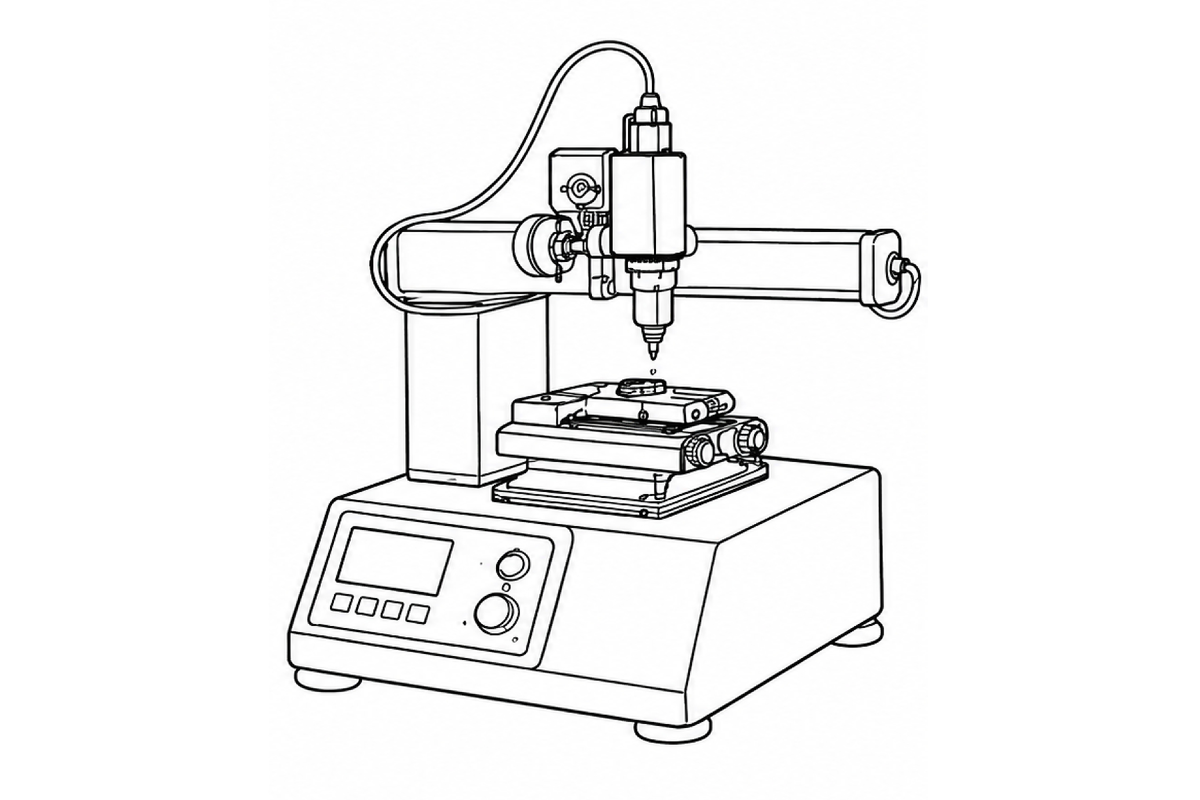
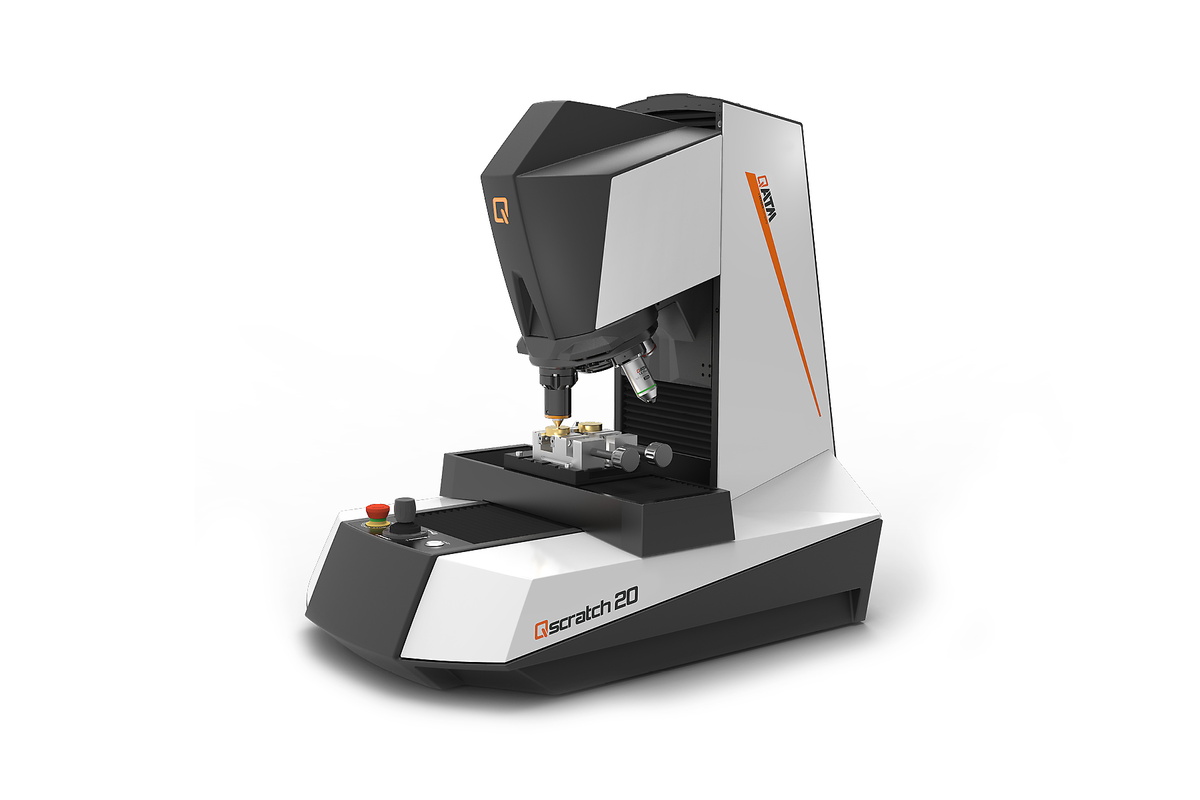
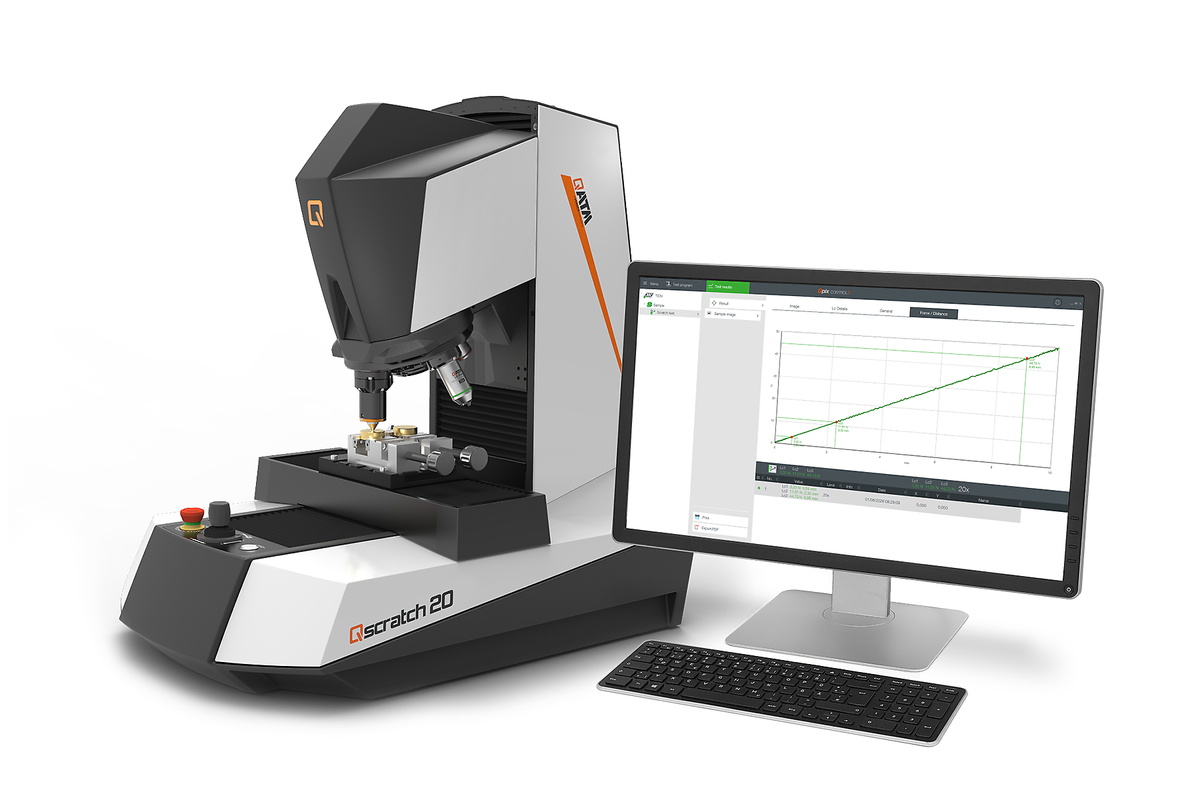
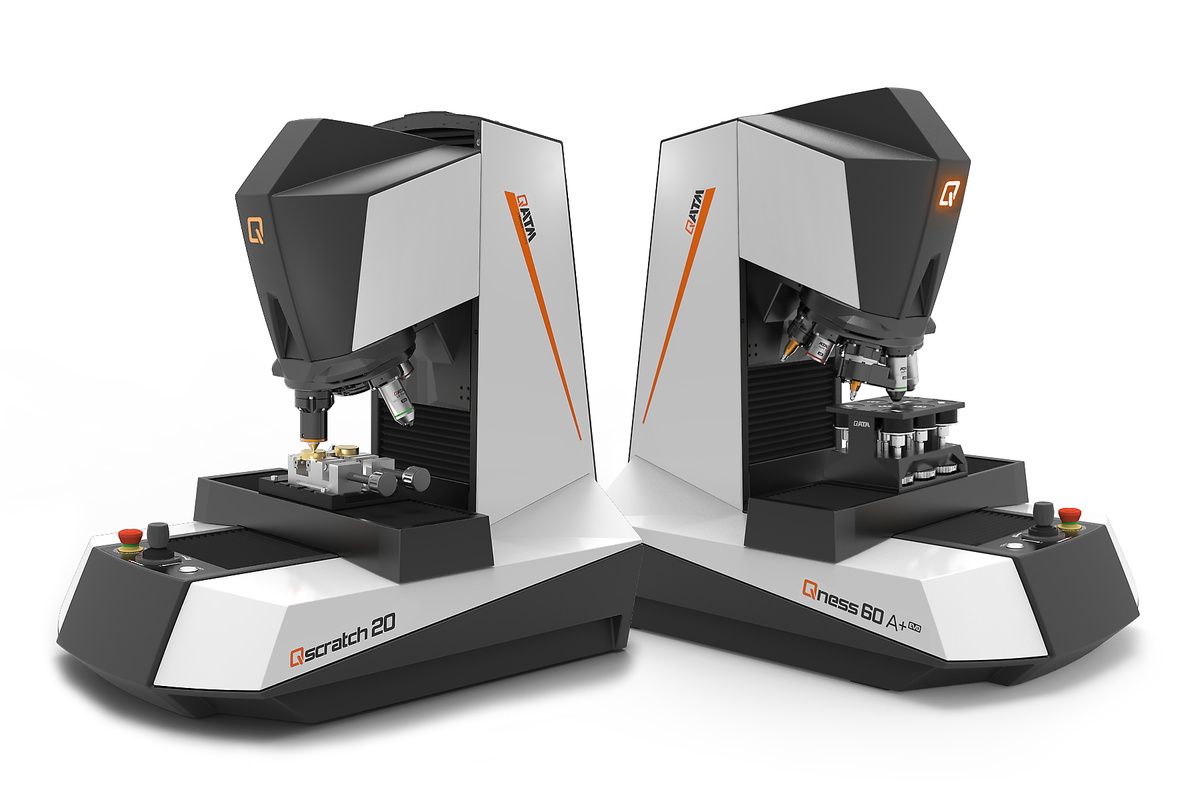
Qscratch 20 是一款全自动的宏观/微观划痕测试仪,用于涂层、功能表面及关键载荷的质量控制。该系统集成了可控力施加、精确的电子载荷控制、集成光学评估以及 QpixControl2 软件引导操作,可实现渐进式或恒定载荷下的可重复划痕测试,并支持结构化评估、数据记录和报告生成。
Qscratch 20 配备电动 X/Y/Z 轴、单次和多次测量功能以及 8 位自动转塔,专为需要每天进行可靠表面相关决策的实验室设计。该设备支持依据 DIN EN ISO 20502、ASTM C1624、ISO 27307 和 ASTM G171 等标准进行划痕测试。可选的维氏硬度测试和 Qpix Inspect 金相分析模块使该系统成为涂层评估、表面检测和质量保证的灵活平台。
Qscratch 20已入围德国工业奖“制造与设计类——质量与精度”类别的奖项提名。请用您的投票支持我们!
AR-模型 - 用您的智能手机访问该页面,或扫描“View in Room”下的二维码,在现实世界中体验3D模型!
初始载荷、最终载荷以及载荷增加速率均被预先设定。载荷随划痕长度逐步增加;所有可见失效事件均可在其各自发生位置标记为Lc点。 ISO:PFST-渐进式力划痕测试 ASTM:PL-渐进式载荷 Lc:载荷临界值
在整个划痕长度范围内,法向力保持恒定。该方法适用于单次测量、系列对比以及质量控制中的重复性测试条件。 ISO:CFST-恒定力划痕测试 ASTM:CL-恒定载荷 Lc:载荷临界值
DIN EN ISO 20502 / ASTM C1624-使用划痕测试测定硬质陶瓷涂层的附着力及机械失效模式。 ISO 27307-通过横向划痕测试评估热喷涂陶瓷层在横截面上的附着力与内聚力。 ASTM G171-使用规定金刚石划针、恒定法向力,并评估残留划痕宽度,以测定材料表面的划痕硬度。
Qscratch 20 是一款用于涂层和功能表面的自动化宏观/微观划痕测试仪。该系统集成了可控的力加载、集成光学评估、引导式软件操作以及报告生成功能,专为每天需要对表面性能做出关键决策的实验室而设计。
专为质量保证而设计:该系统将标准化划痕测试与高重复性、高效文档记录及直观操作相结合。QpixControl2软件、内置工作流程、灵活的导出选项以及可选的检测功能,使其成为强大的一体化解决方案,而不仅仅是一台简单的独立测试仪。
QATM凭借在硬度测试、金相分析及全球服务领域多年的丰富经验,将其应用于划痕测试产品系列中,从而为您的长期投资提供可靠保障。
测试原理
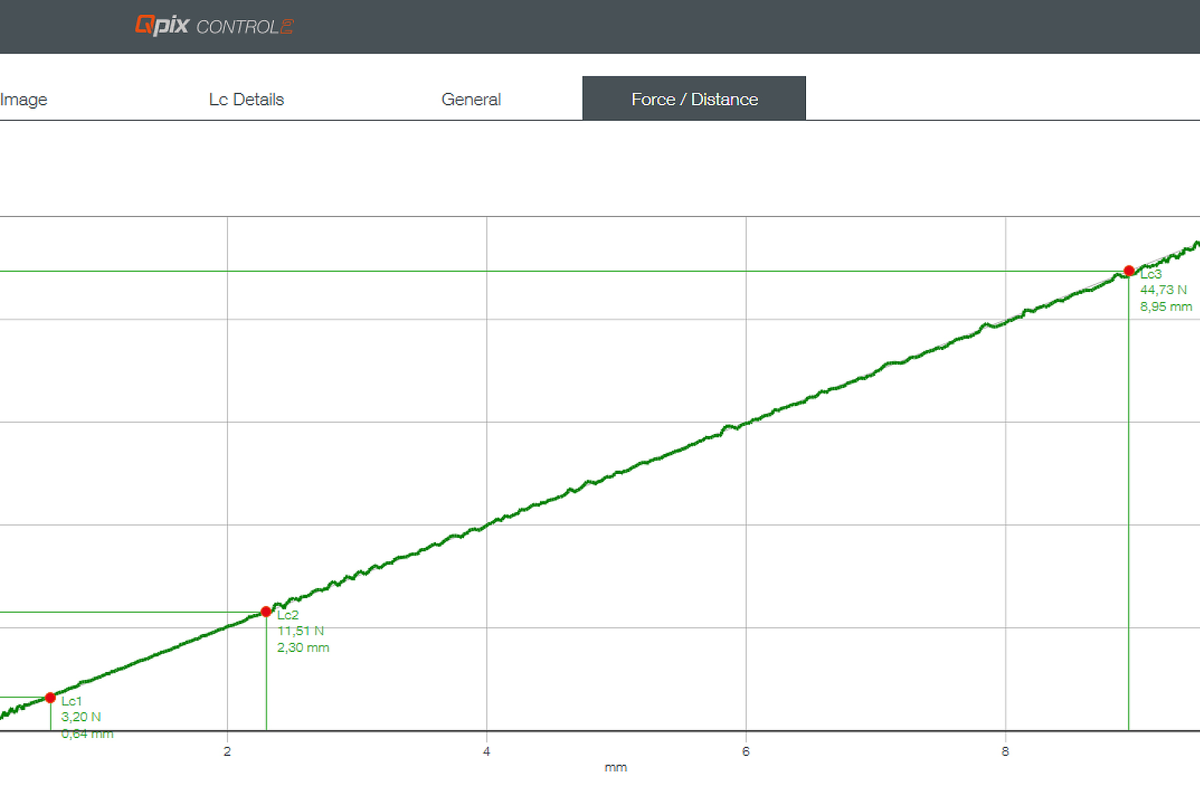
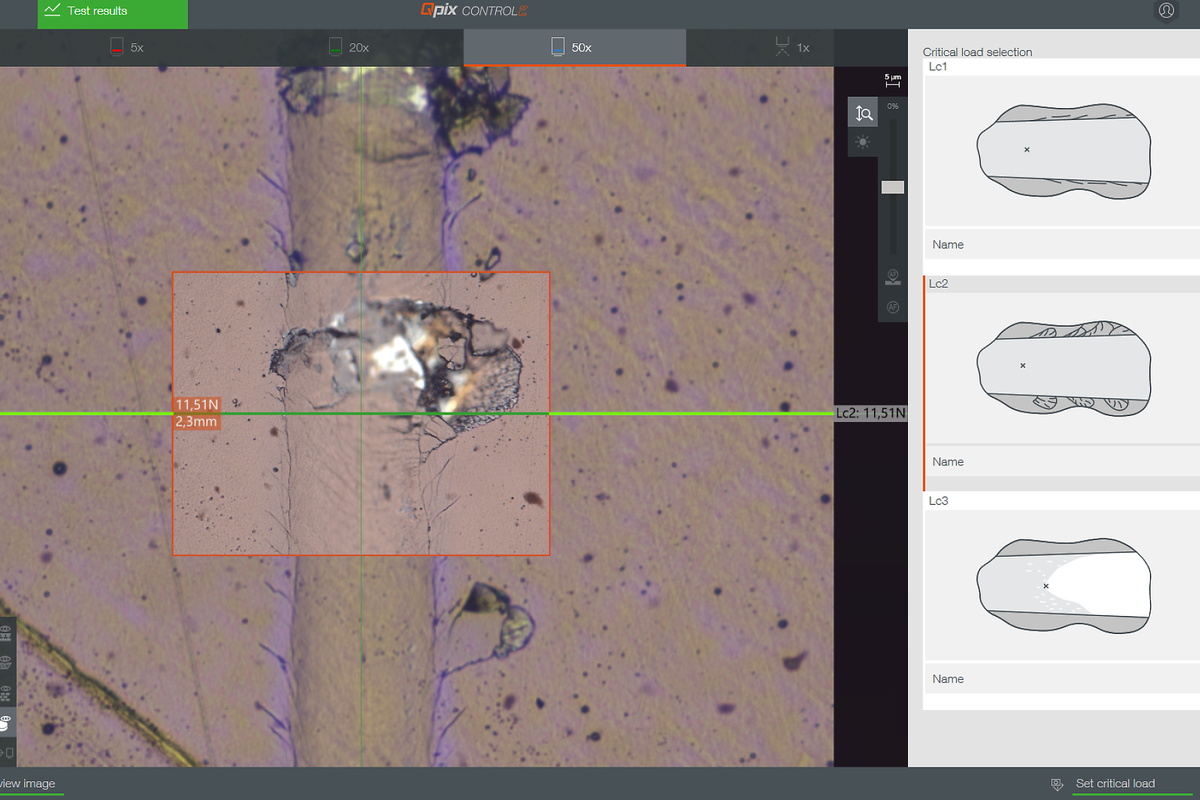
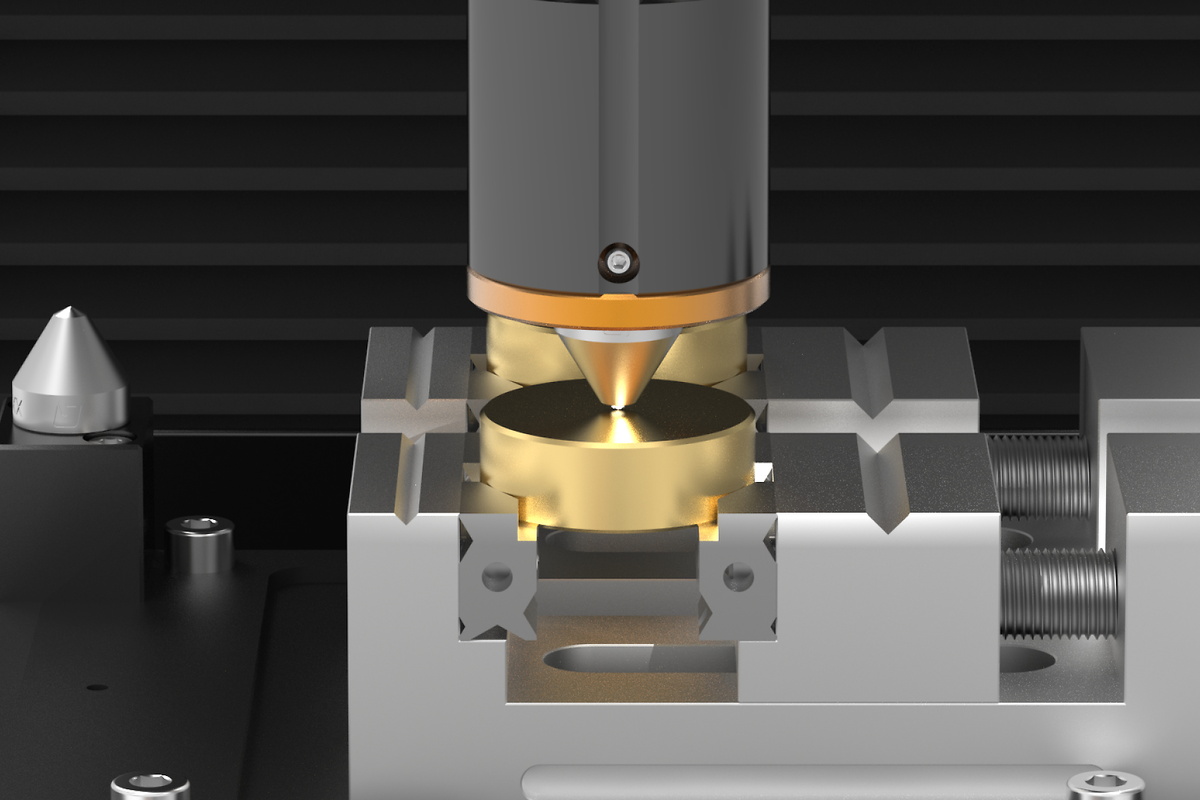
在划痕测试中,金刚石划针在规定的法向力作用下沿涂层表面移动。诸如开裂、剥落或涂层穿透等可见现象会出现在划痕路径上的特定位置,并对应于相应的临界载荷。因此,划痕痕迹不仅表明失效正在发生,还能明确显示失效发生的位置,并可追溯临界点的载荷值。
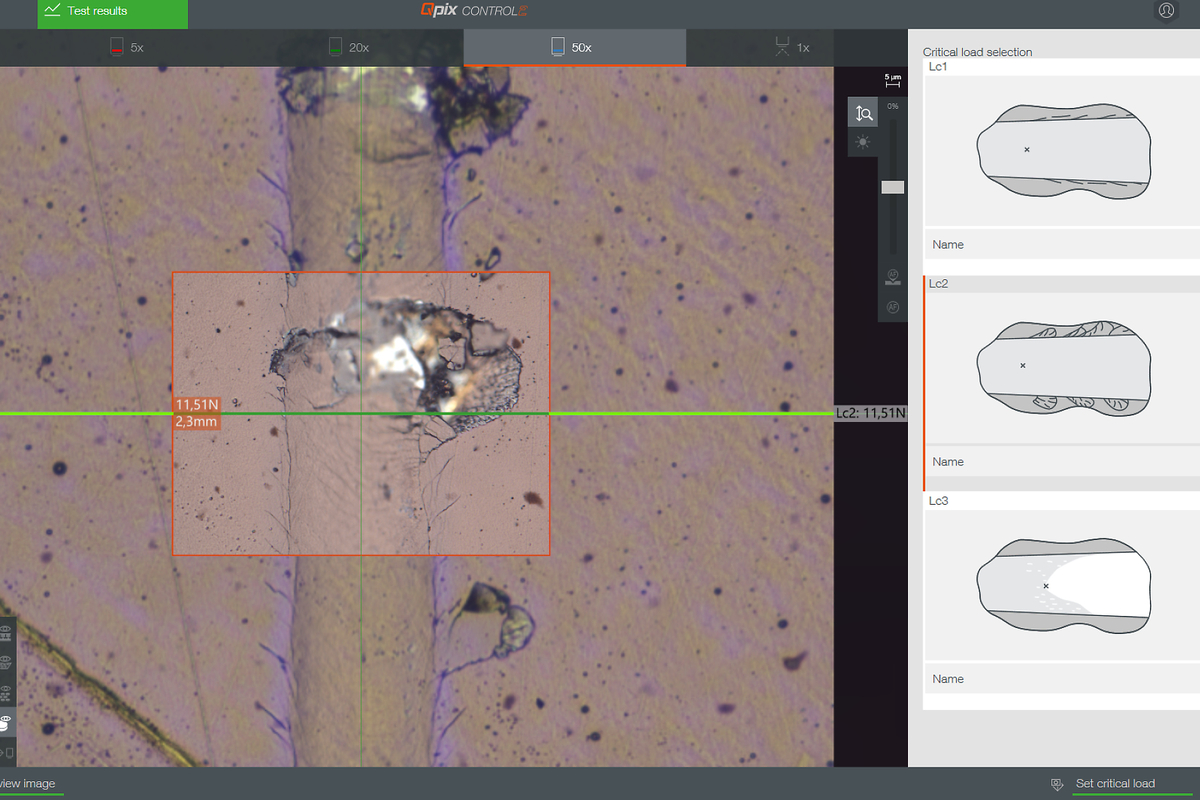
Lc1 - 初始裂纹/塑性变形
Lc2 - 剥落
Lc3 - 穿透涂层露出基材
以下交互式部分展示了如何分析划痕路径上的典型失效事件。点击LC点,可查看裂纹、剥落和涂层穿透与特定位置及载荷之间的关联。
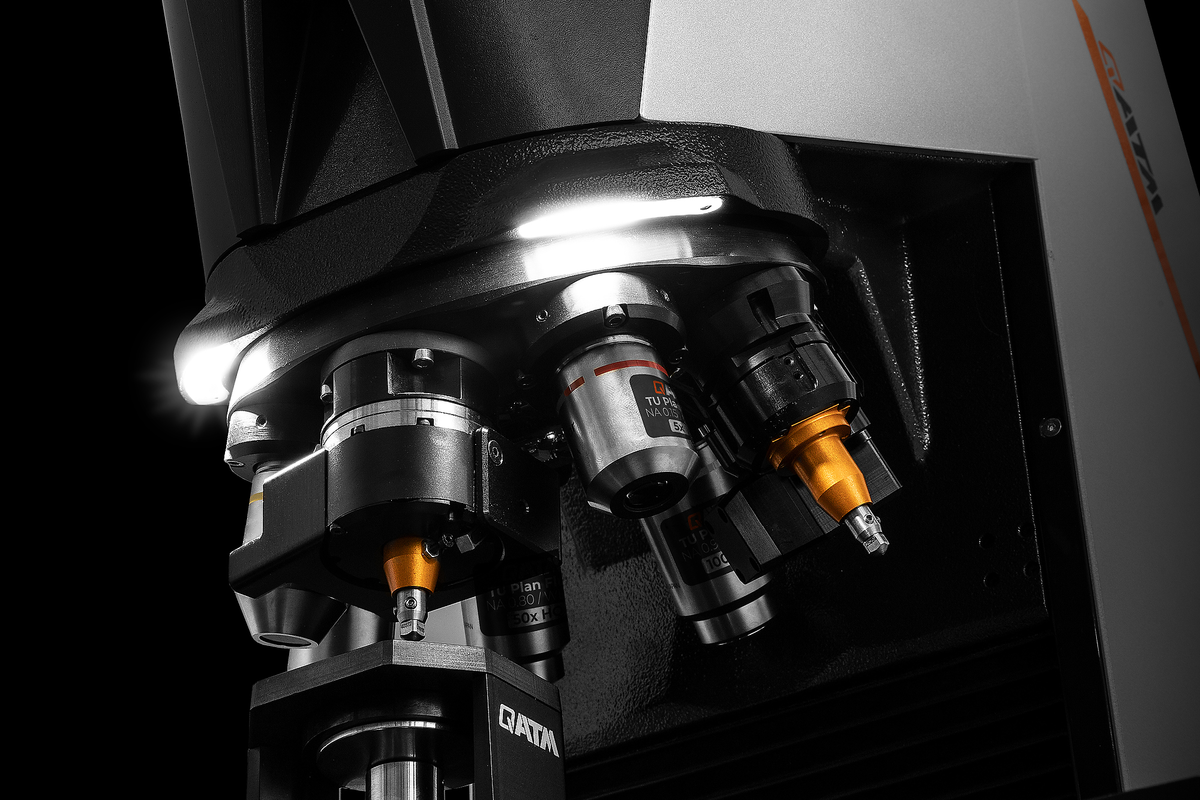
QATM 开发的内部制造镜头系统设定了新标准。除了为硬度测试提供水晶般清晰的图像质量外,科勒照明还使用白色 LED 灯和电机操作的光圈快门,即使在高倍率图像中也能产生理想的对比度。 经验丰富的冶金学家一致认为,Qscratch提供的图像质量在各方面都可与成熟的精密显微镜相媲美。光学系统中的最新概念和新型物镜使该设备完全符合 DIN EN ISO6507-1/2:2018 最严格的物理 "测试系统定义 "要求。
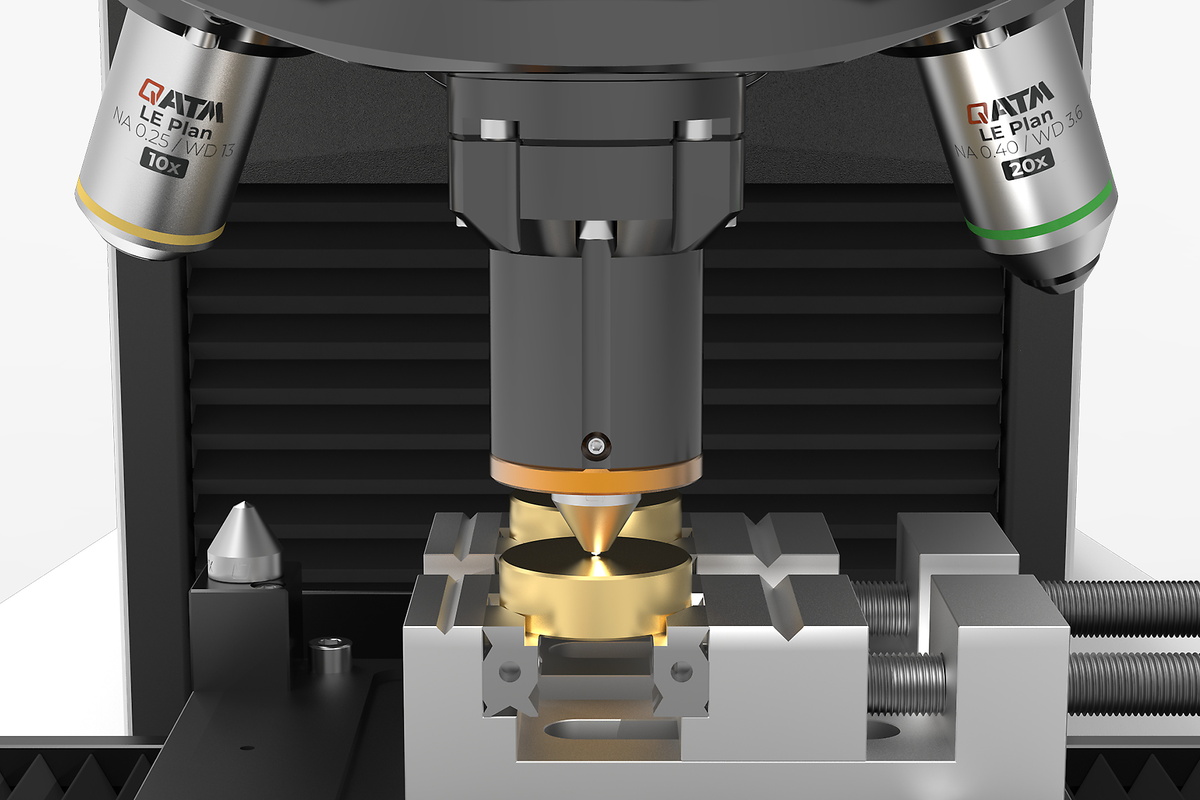
电机驱动的转塔最多可容纳3个划痕测试模块和多达7个物镜。从而可在同一轴上、无需偏移的情况下,在划痕测试序列中直接完成概览、详细检测和Lc测定。
沿双Z轴分配的垂直运动具有决定性的优势。 通过第一个Z轴进行动态运动控制,使压头能够以30mm/s的速度方便快捷地朝着测试表面定位。QATM系统中额外的第二个Z轴控制,提供了高分辨率的定位系统,可以在施加力和聚焦时实现更高的精度。
所有的配置都装备了新的LED空间照明,简化了对于单个样品的测试定位。
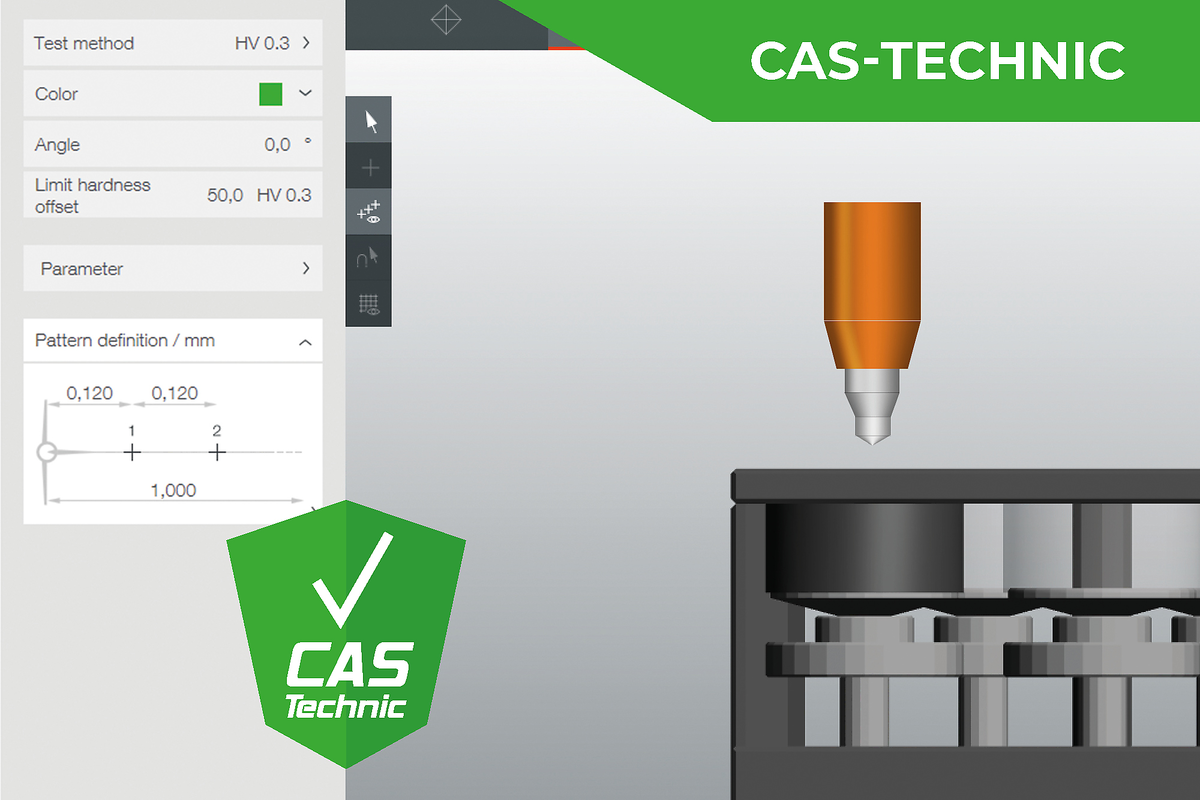
创新型的防碰撞系统(CAS)技术通过生成可视区域所有移动的3D预览计算, 保护设备中的机械零部件不受到碰撞和防止操作错误。
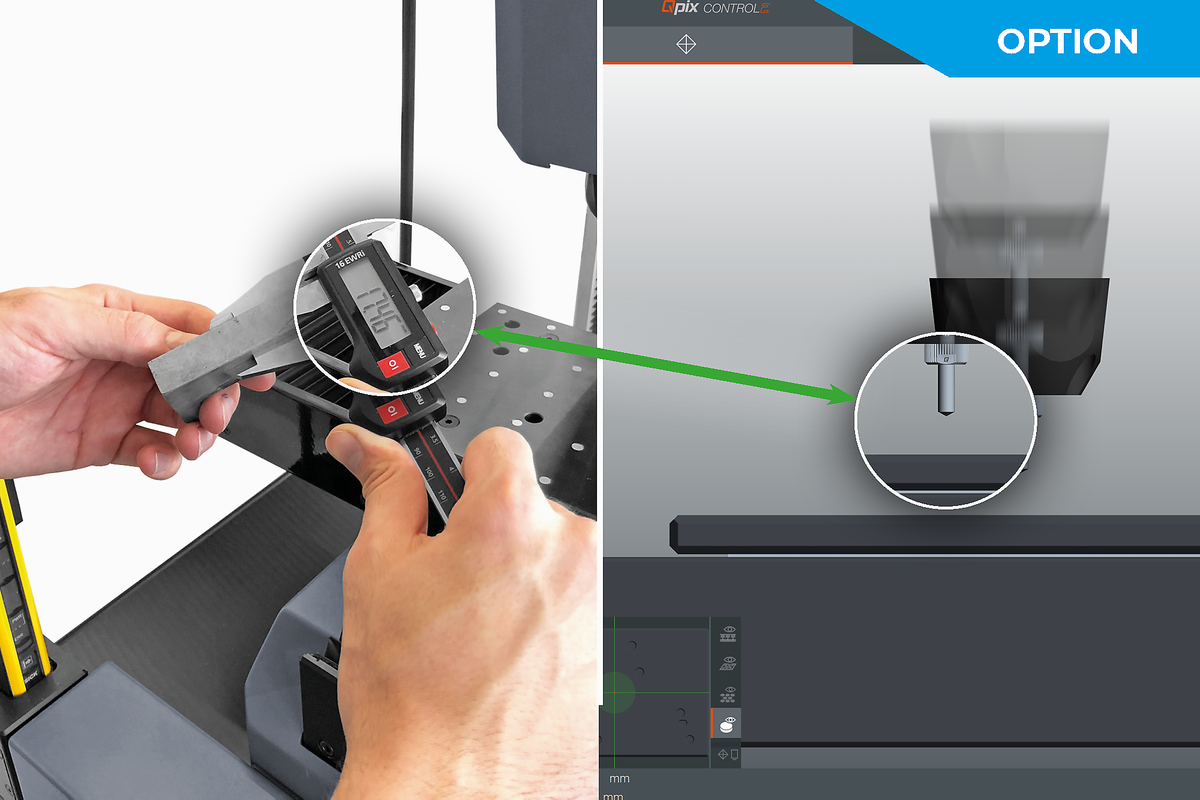
数字卡尺和Qpix Control2系统兼容,可以读取部件尺寸、高度和直径,并通过按键,输入到软件中。A和A+型号的测试头高度控制可以实现完全自动地到达测试高度而无需手动输入。
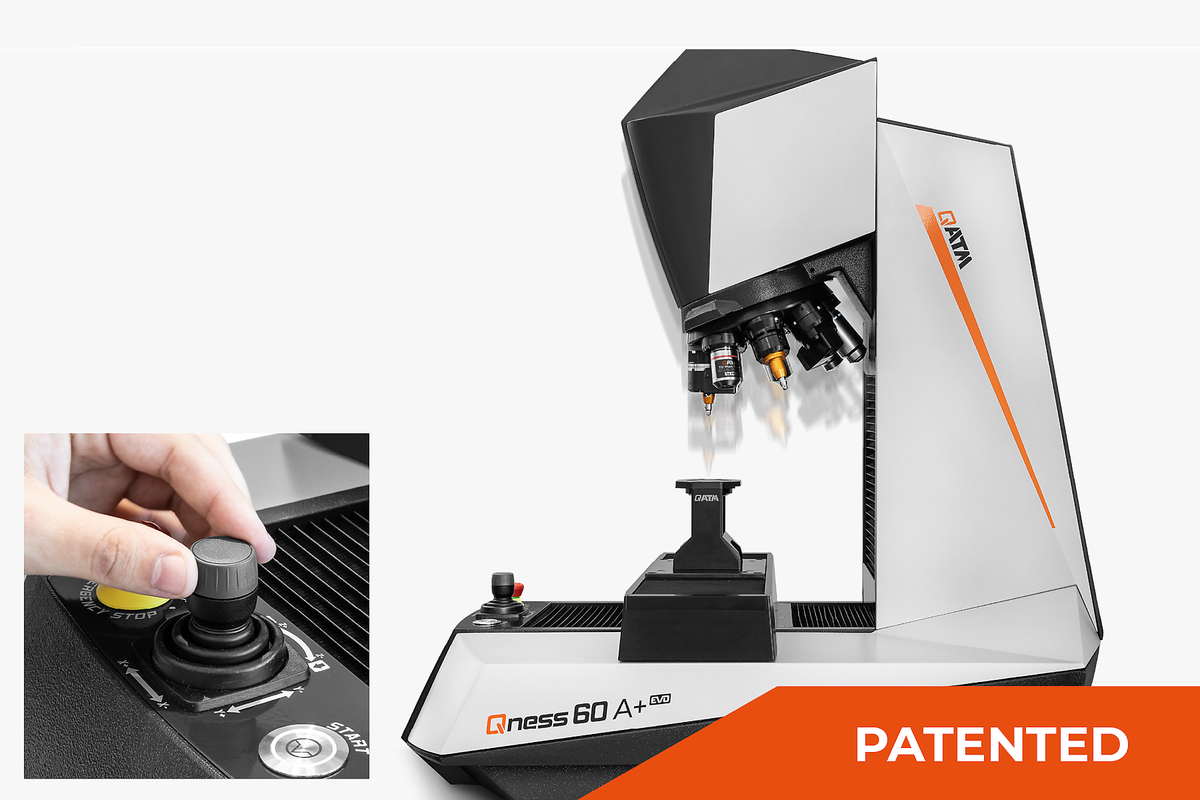
发光的QATM标识可以让人一眼识别设备当前的状态。闪烁的间隔范围不同表明了机器是处于自动操作状态还是可以随时准备开始为整个实验室的人员进行新的硬度测试。除此之外,作为标准的配置,LED测试空间照明有利于确保样品和夹具的正确装夹。
在Qscratch 20上,它还能确保样品成像时的光照强度均匀。
所选加载逻辑与划痕痕迹、位置及结果相关联。该方法可用于样品批次、涂层变型及工艺对比分析。
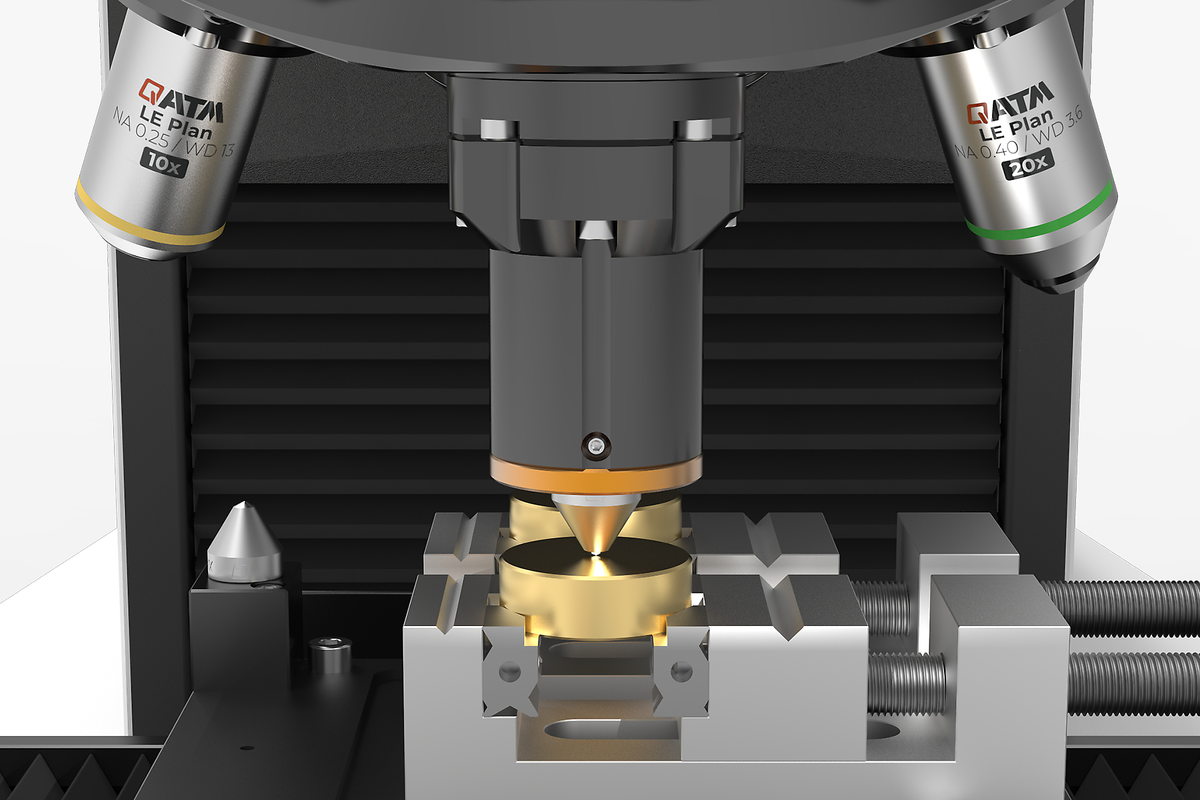
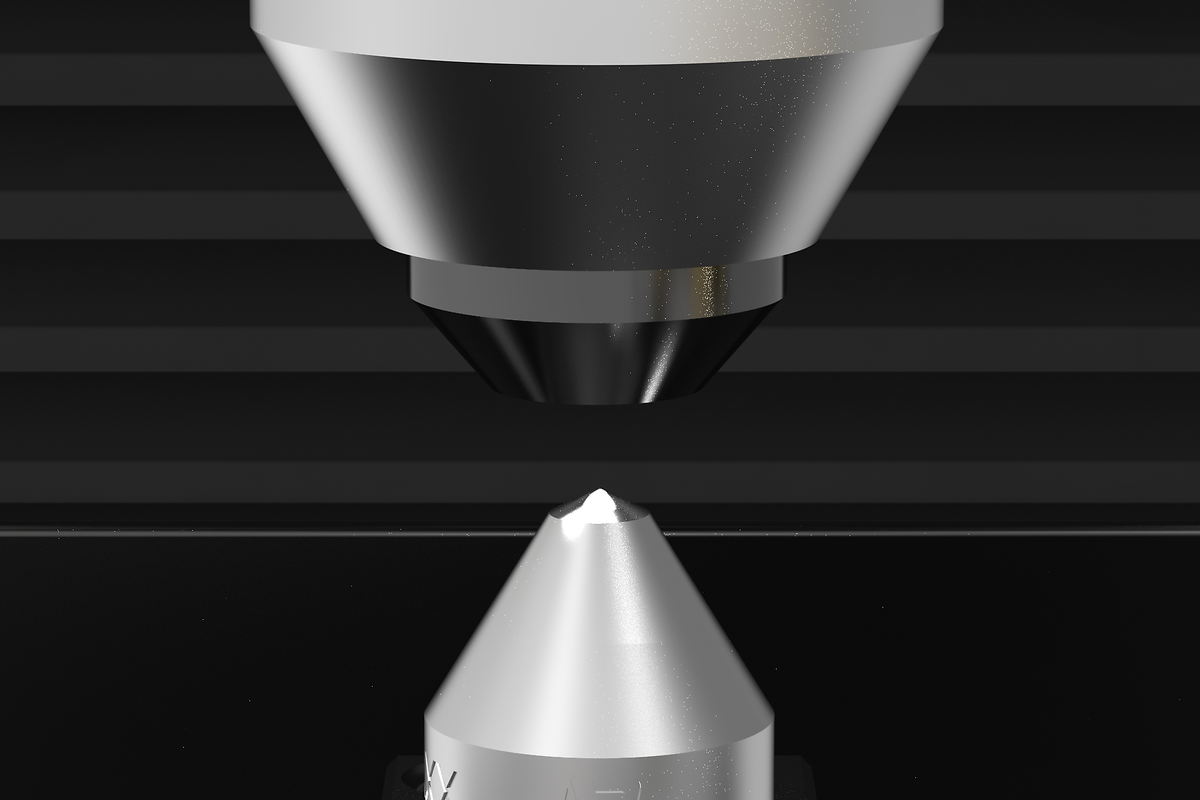
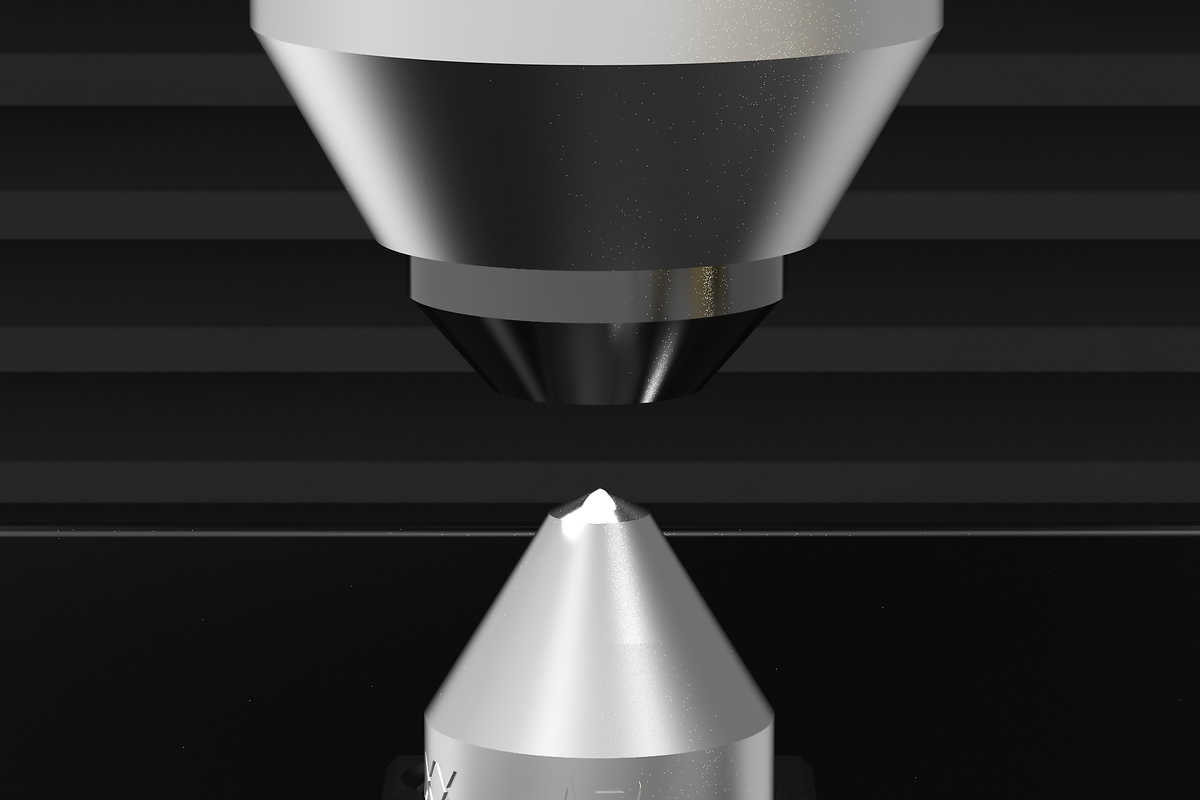
可在光路系统内直接目视检查金刚石尖端,从而在测试前或测试后检查金刚石划针的状态——这是确保结果可重复以及测试条件可追溯的重要步骤。
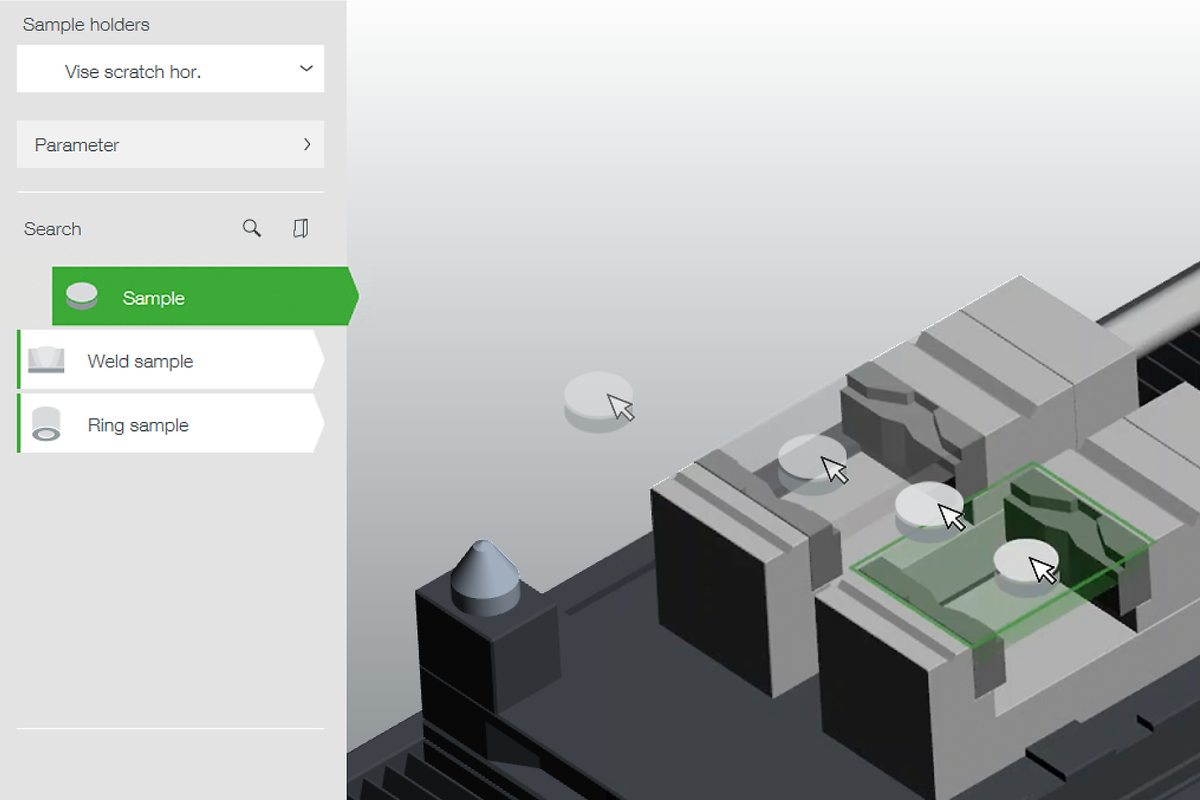
可调节的夹紧钳口能够牢固夹持各种形状的试样——从扁平、角状试件到圆形或极小尺寸的样品均可适用。
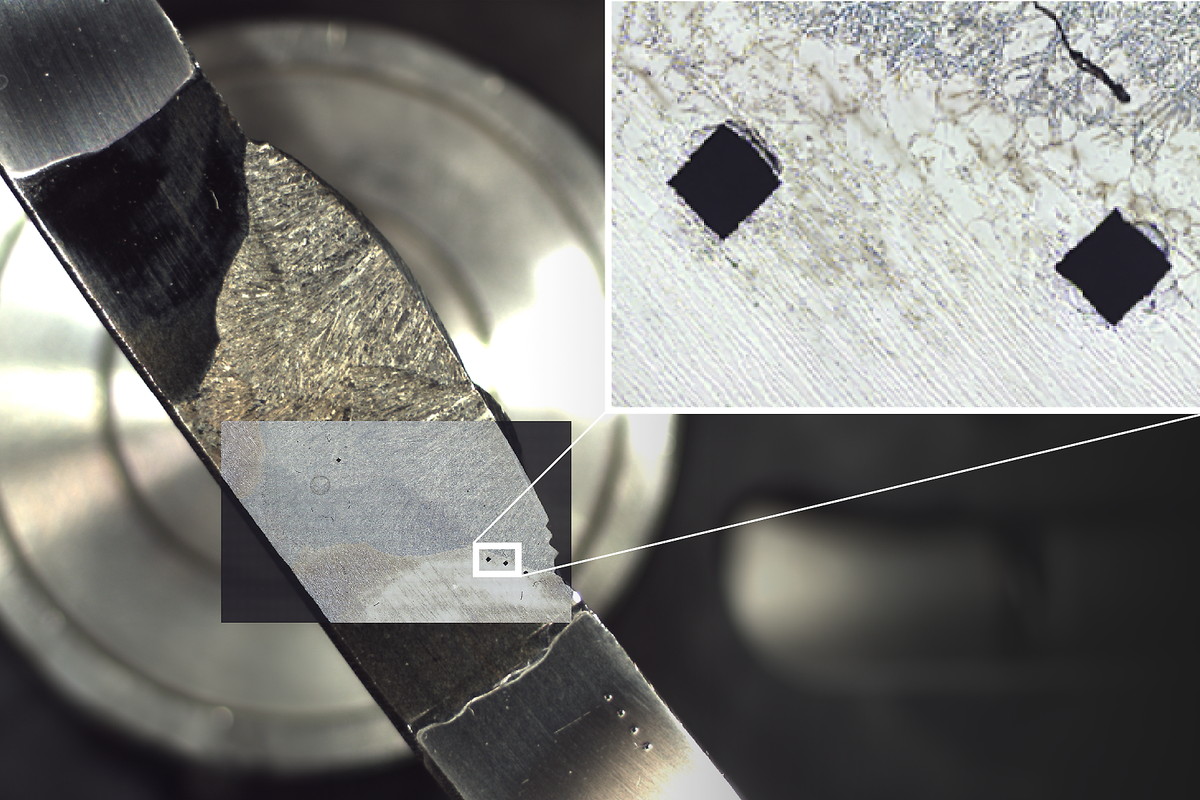
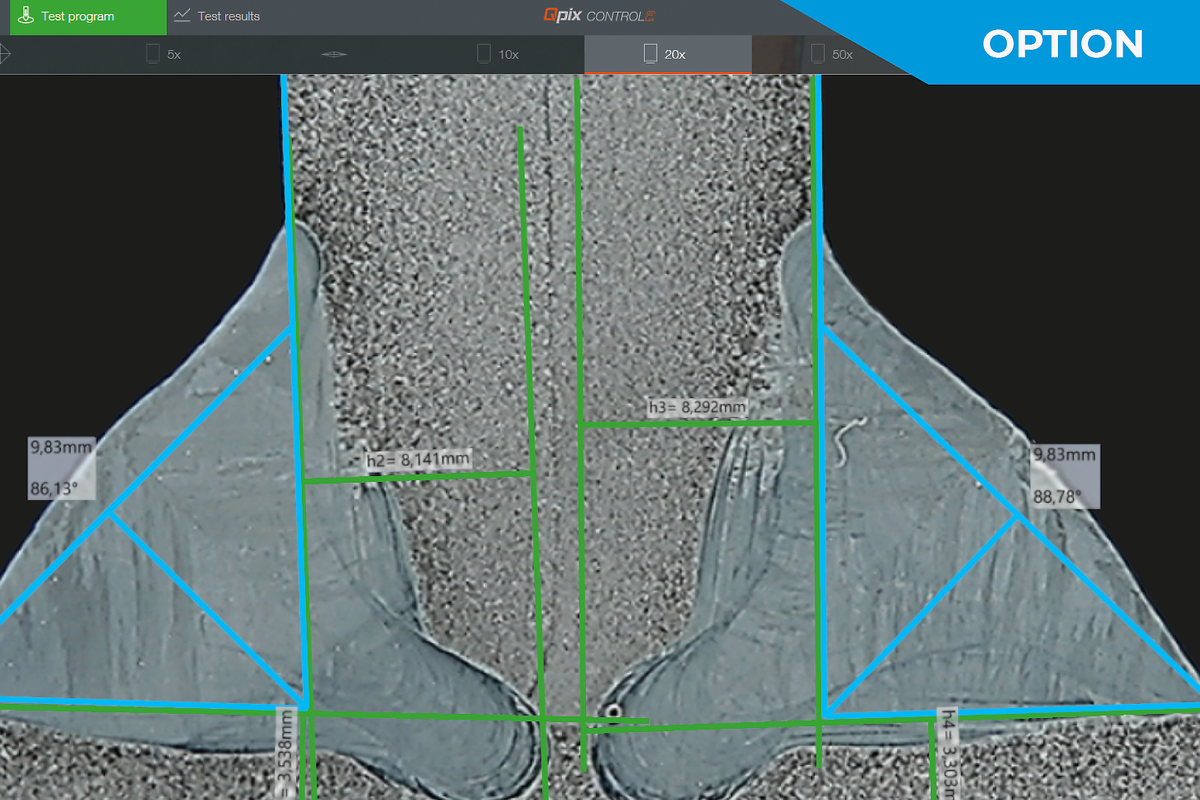
如果需要较大区域(例如焊缝测量)的高质量图像,可以使用HRI功能对该区域进行扫描。Qpix Control2软件会自动将各个图像组合成一张完整的大图像。
绝大多数的QATM客户选择带有内置全景摄像头的“A+”型号并非偶然。只需几秒钟,全景相机就能拍摄整个样品图像(视场为52 x 39 mm)。该图像在软件中,和双屏显示功能相结合使用时,起到了优秀的定位、导航作用,并且有助于增强自动编辑的测试报告中的文件记录。
精确的电子载荷控制确保测试载荷作为关键测试参数始终处于可控、可重复和可追溯状态。
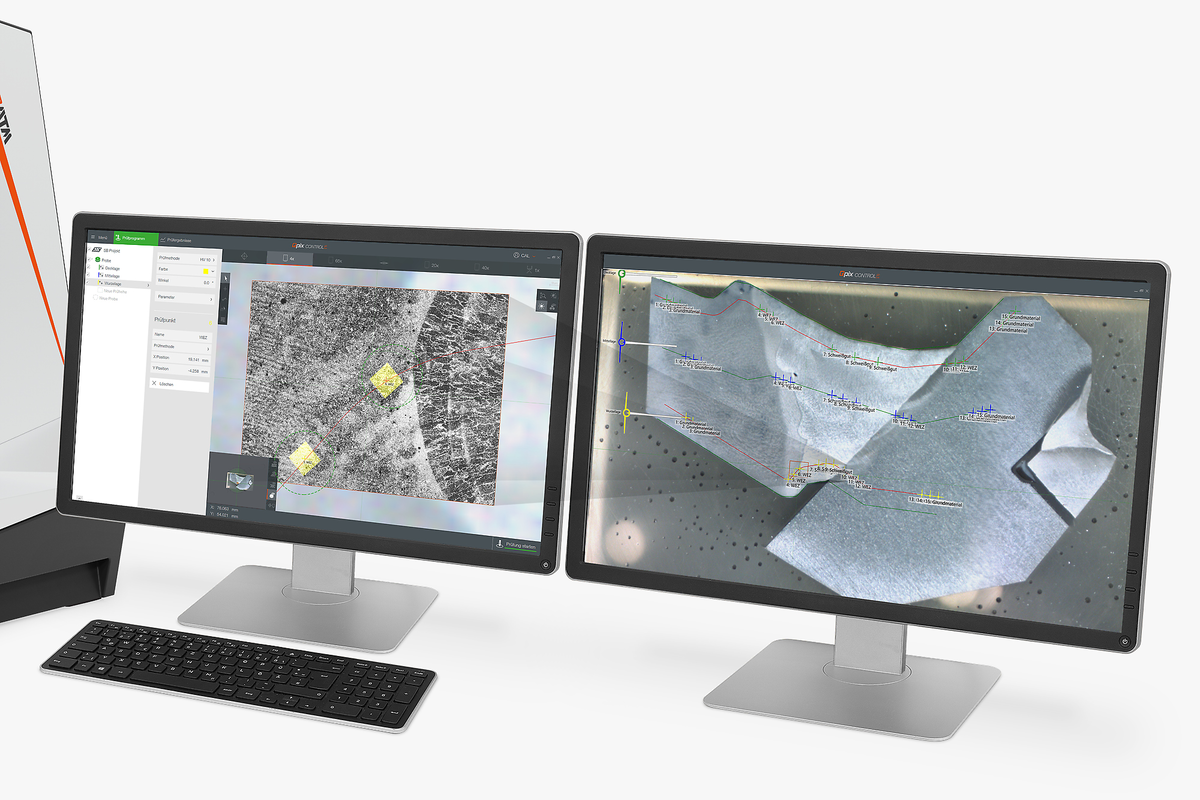
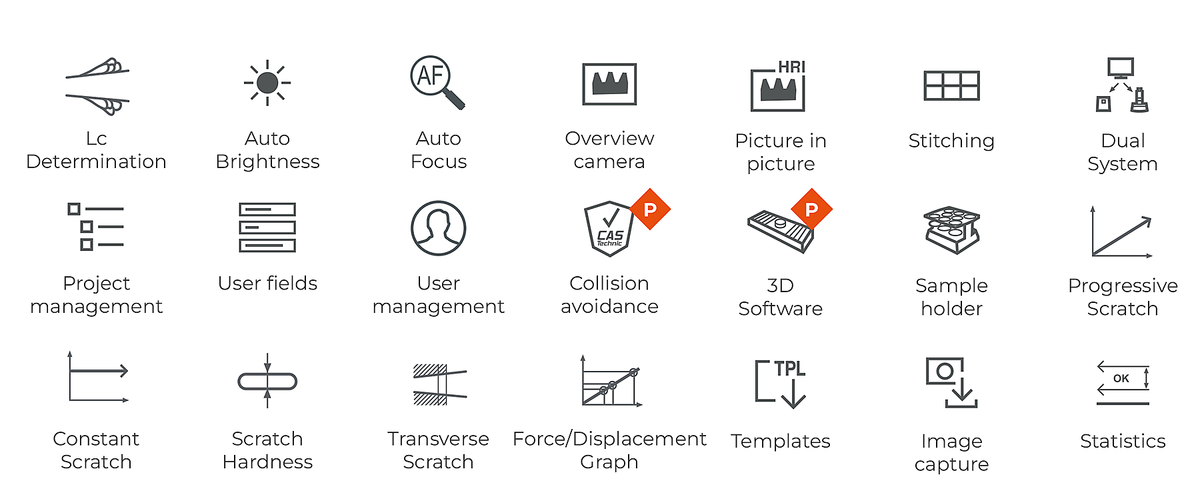
QpixControl2不仅是一个用户界面:该软件将专利的3D用户概念与划痕测试流程无缝结合。可轻松创建测试,直观定位划痕位置,自动处理单次或多次测量,并以结构化方式评估相关Lc事件。从测试定义、图像采集与分析,到数据管理、导出及标准化报告,所有步骤均集成于一个直观的软件环境中。这降低了操作难度,支持可重复的流程,并使划痕测试在面向生产的质量保证中得以高效应用。
试样夹具会被自动移动到正确高度,并自动拍摄样品图像。
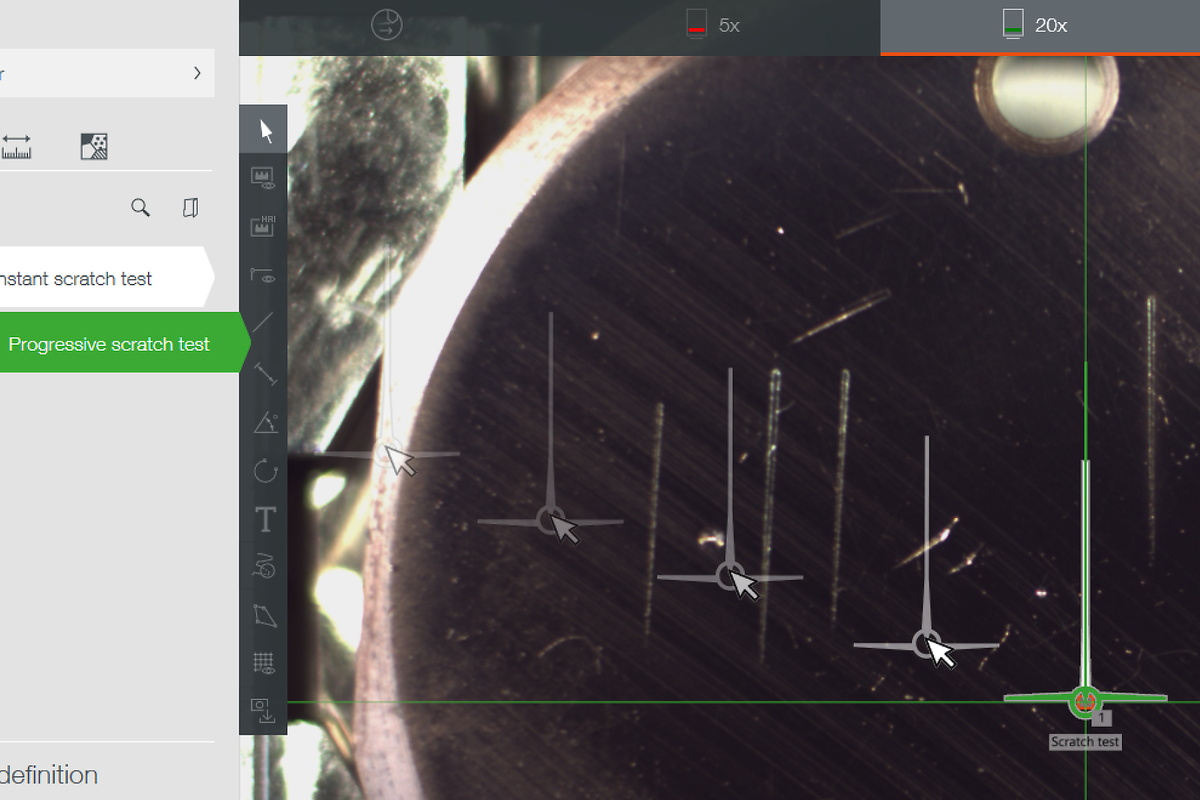
直接将划痕测试的起始点拖拽到所需位置。
测试序列完全自动进行,并符合划痕测试标准。随后可对失效事件进行评估,并将其分配至相应的Lc点。
单次与多次检测: 划痕可在软件中直接定位,也可通过设定偏移量生成,并实现自动处理。每个测试的Lc结果以及系列平均值均可进行评估。
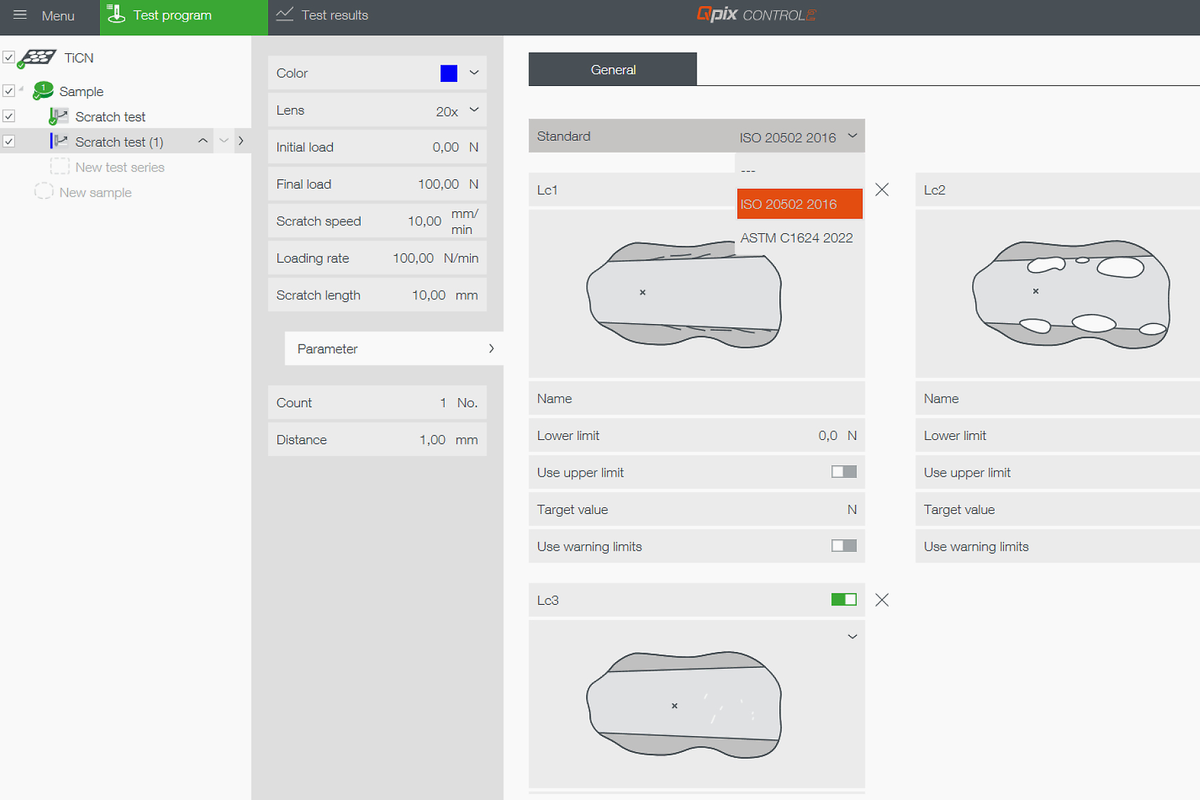
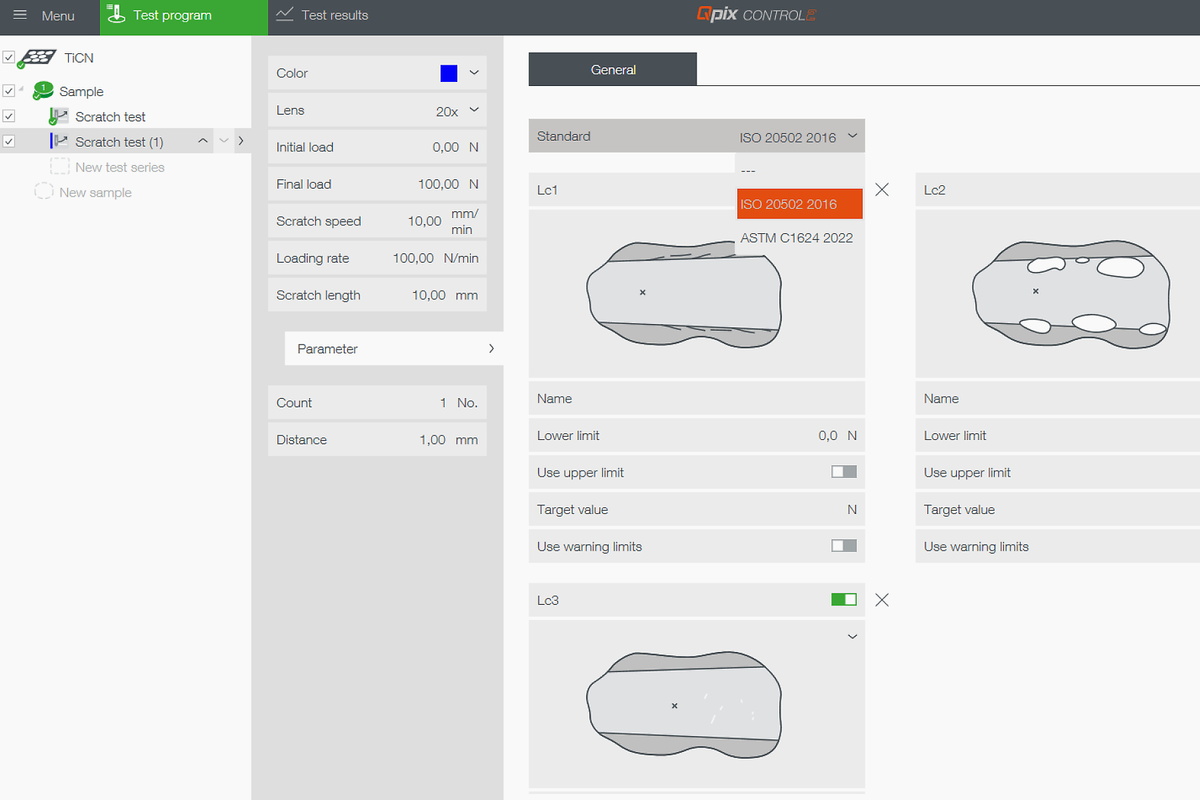
载荷定义、裂纹长度、加载速率、速度以及物镜选择均可在方法中直接管理。评估时可使用基于标准的模板或自定义模板,并辅以限值和目标值。
图形模板有助于对典型失效事件进行一致性分类。这有助于实现基于标准的程序,并减少解释空间。
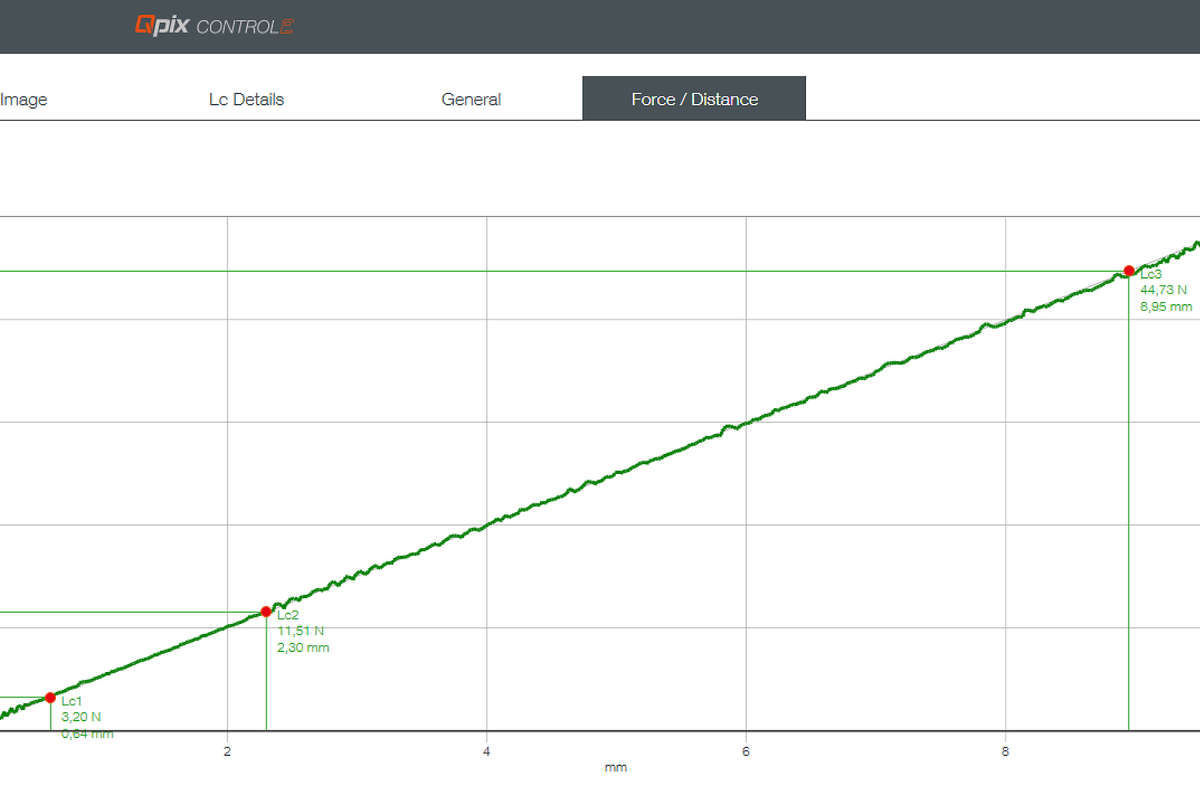
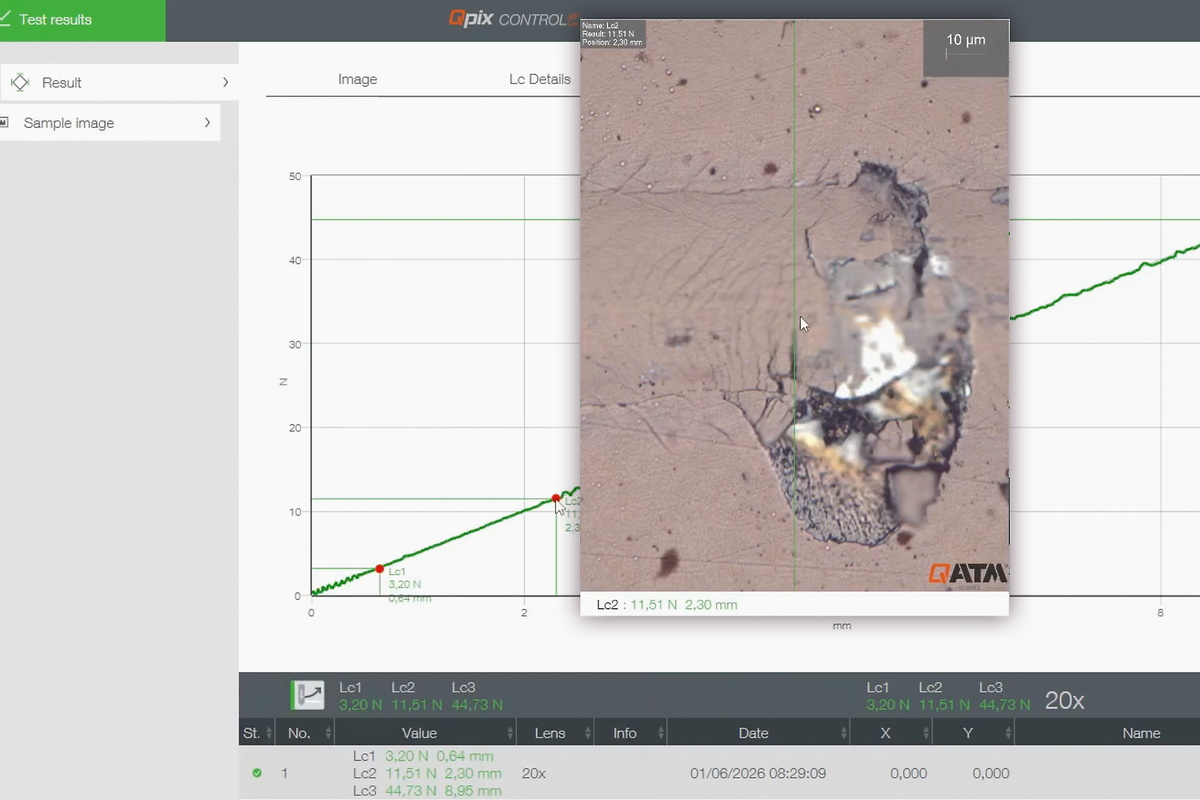
力-距离曲线记录了沿划痕路径施加的载荷。曲线中的异常可与可见的失效事件进行对比,并用于Lc评估。
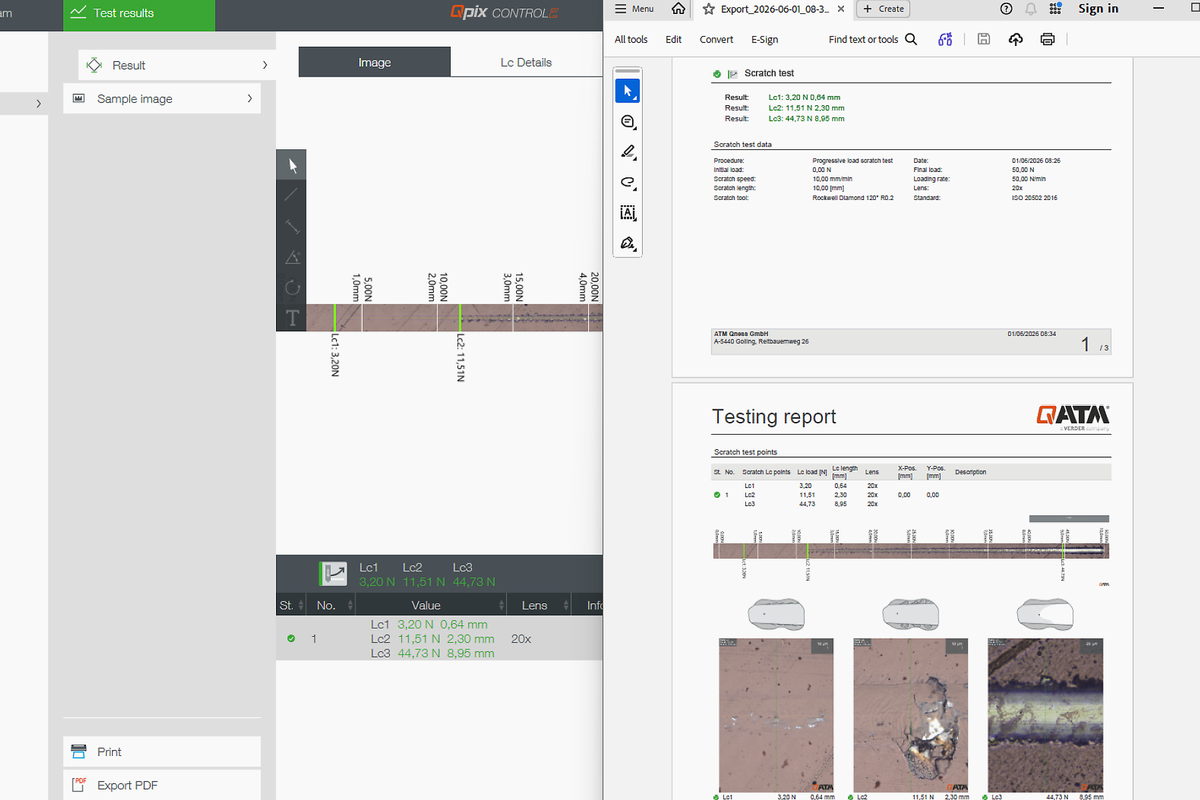
划痕轨迹上的相关失效事件可在图像中详细查看,并分配至相应的Lc详情。这将视觉评估转化为可验证的测试结果。
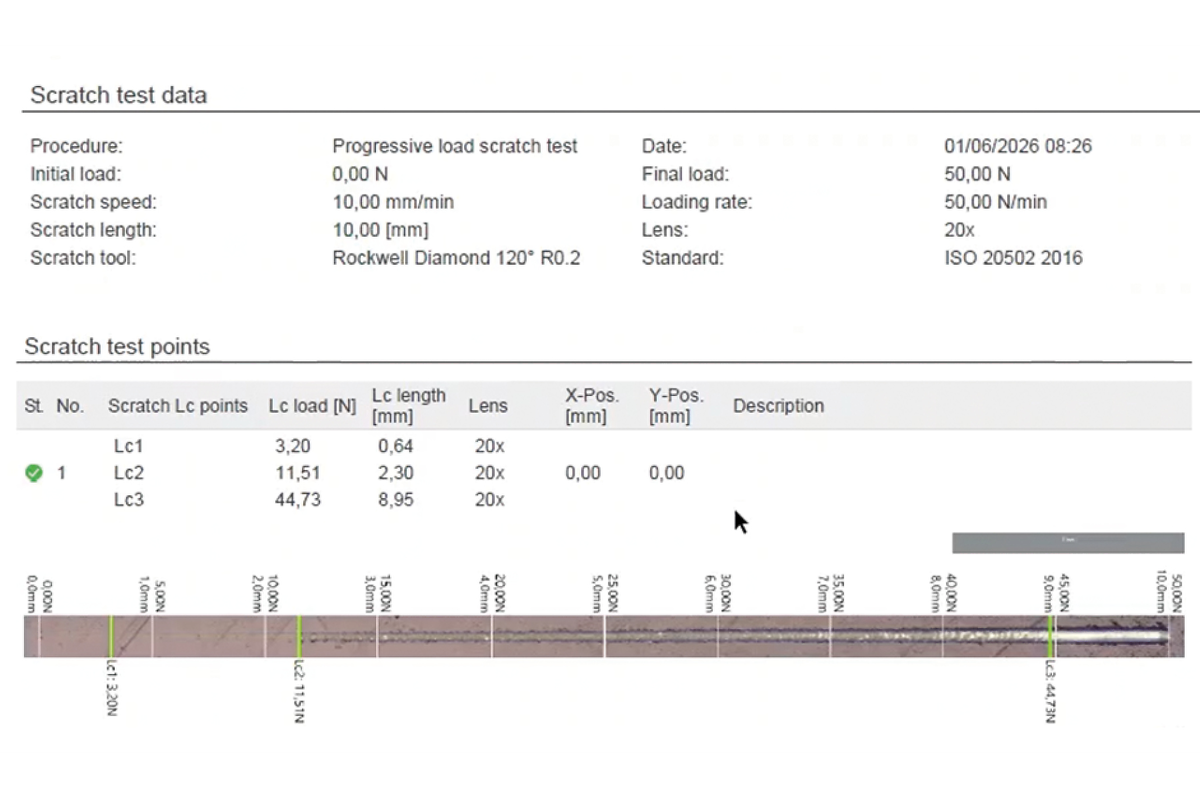
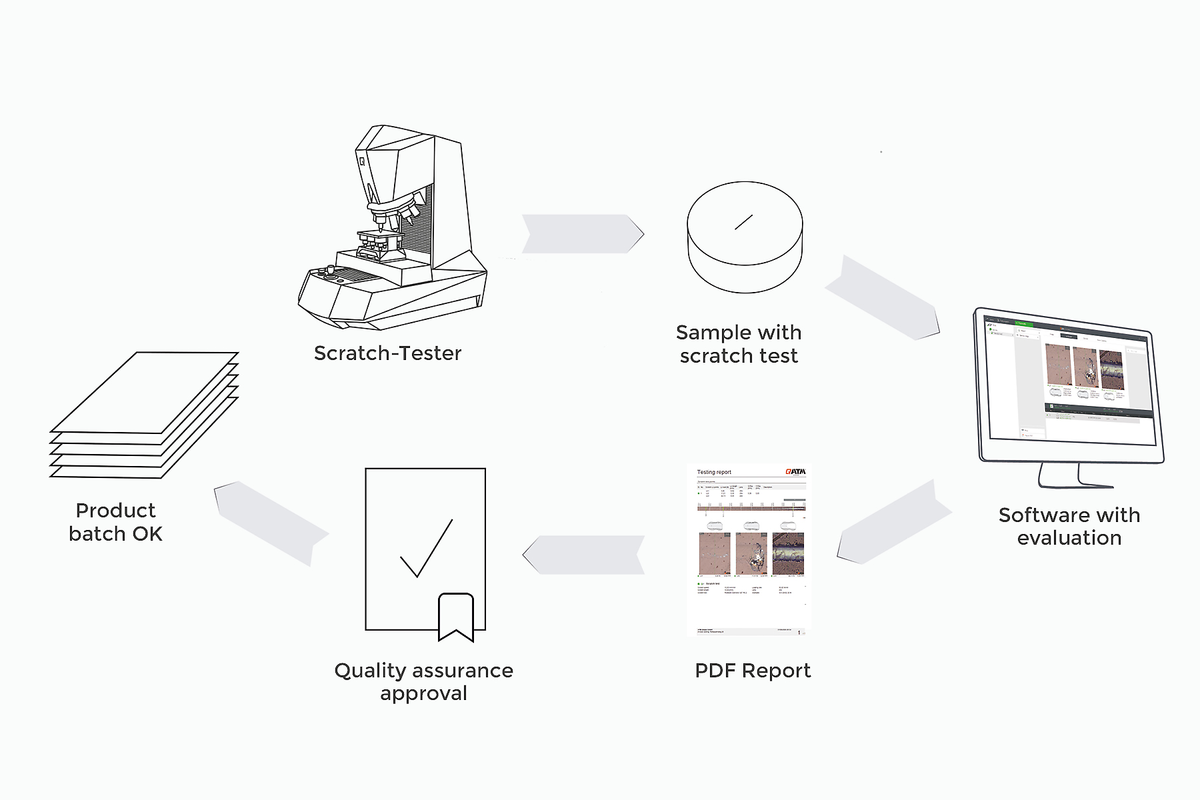
测试参数、划痕轨迹、Lc值及评估结果被汇总成一份测试报告。这简化了文档记录、测试系列的对比以及在质量流程中的结果传递。
Qscratch 20 是模块化QATM平台的一部分。除了划痕测试外,还可根据需要集成硬度测试方法、分析功能及其他涂层测试项目。这减少了系统切换的需求,将测试结果统一整合到熟悉的软件环境中,确保了长期投资的安全性。
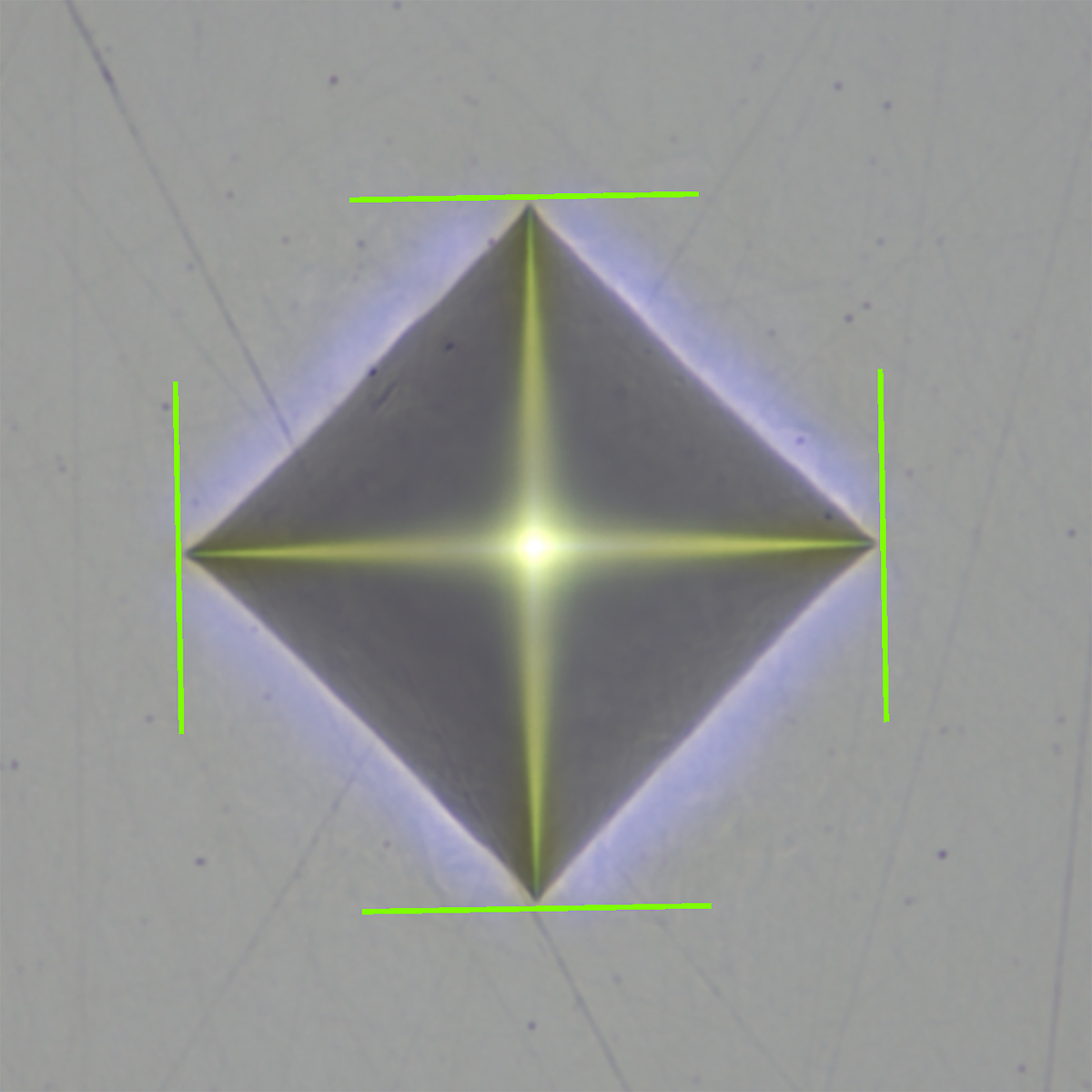
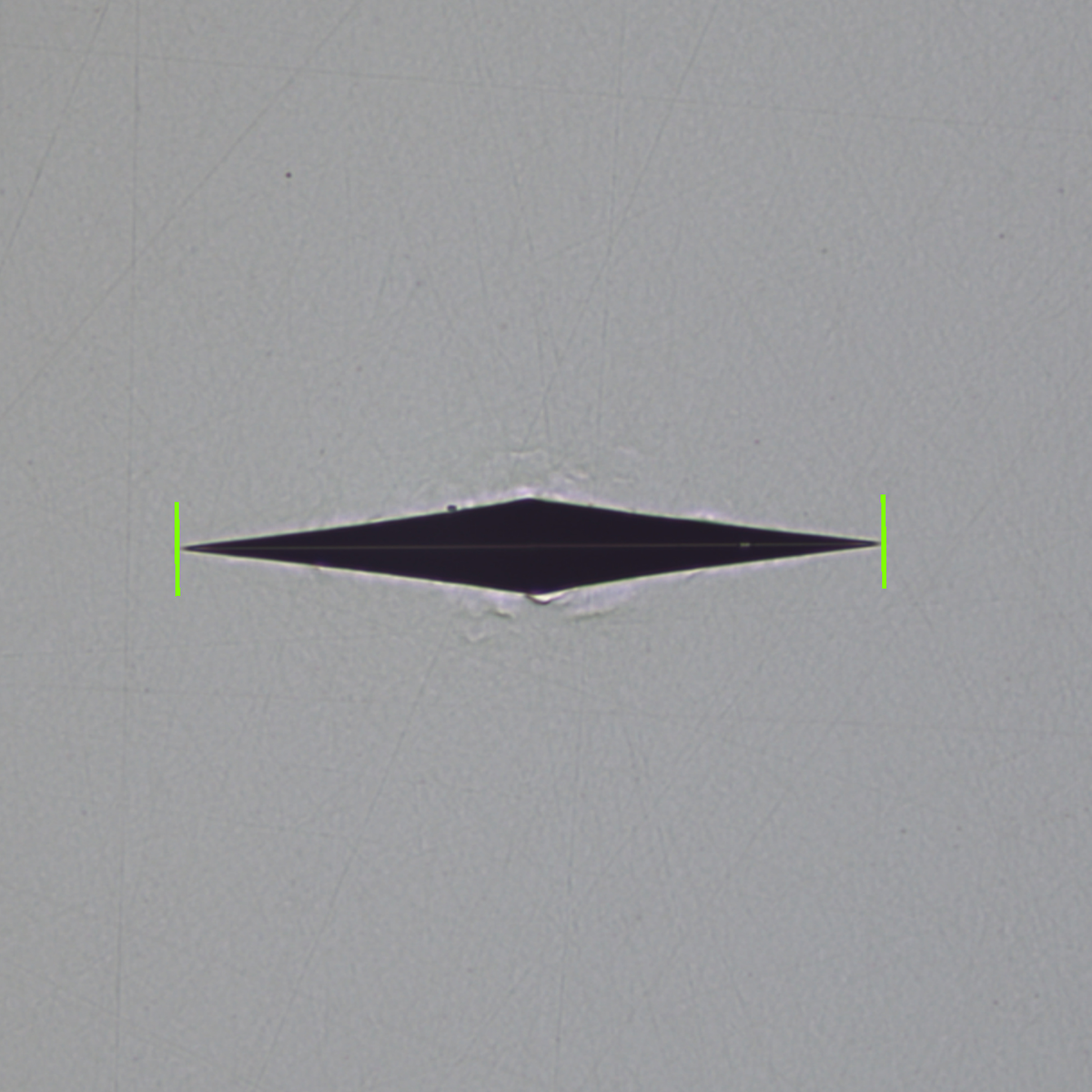
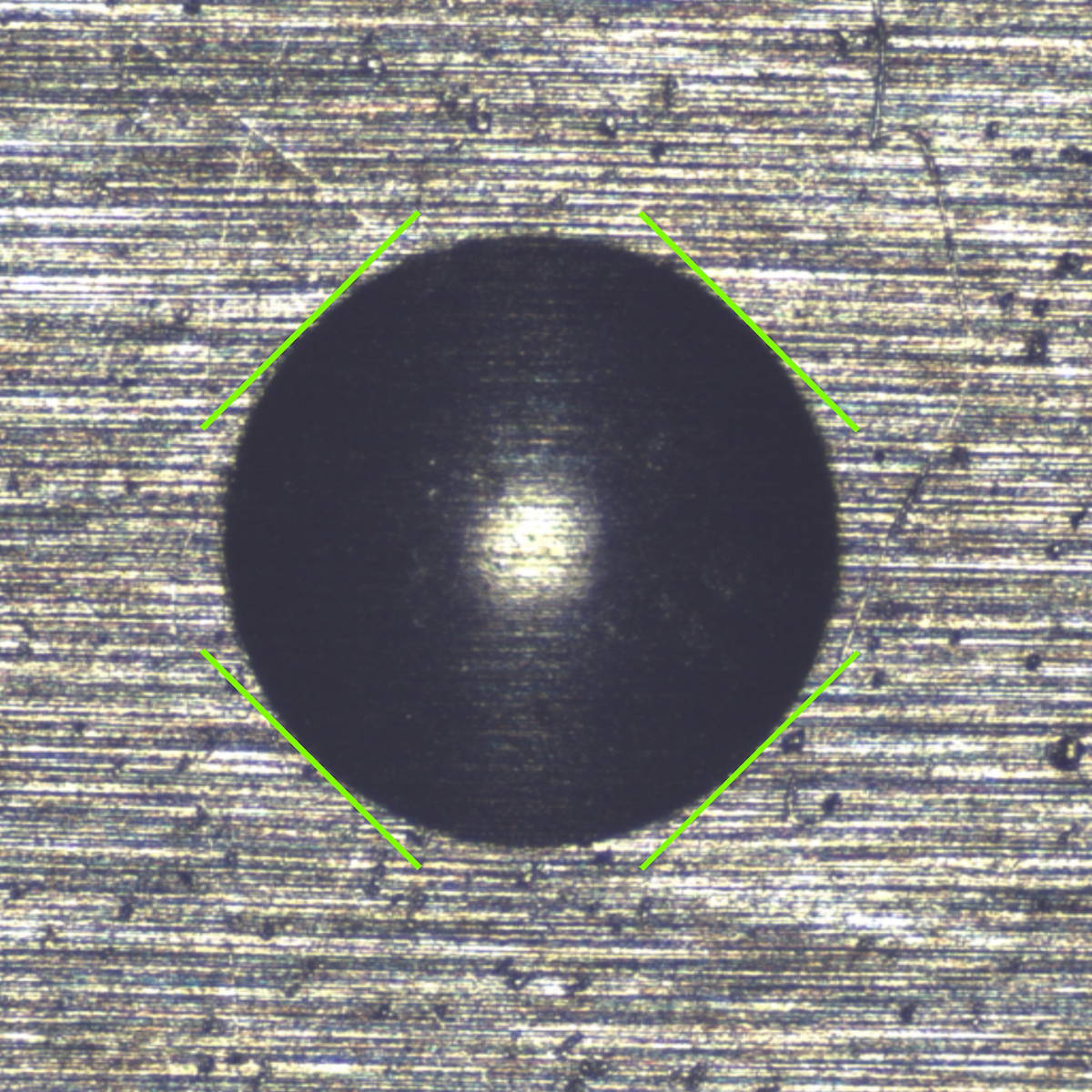
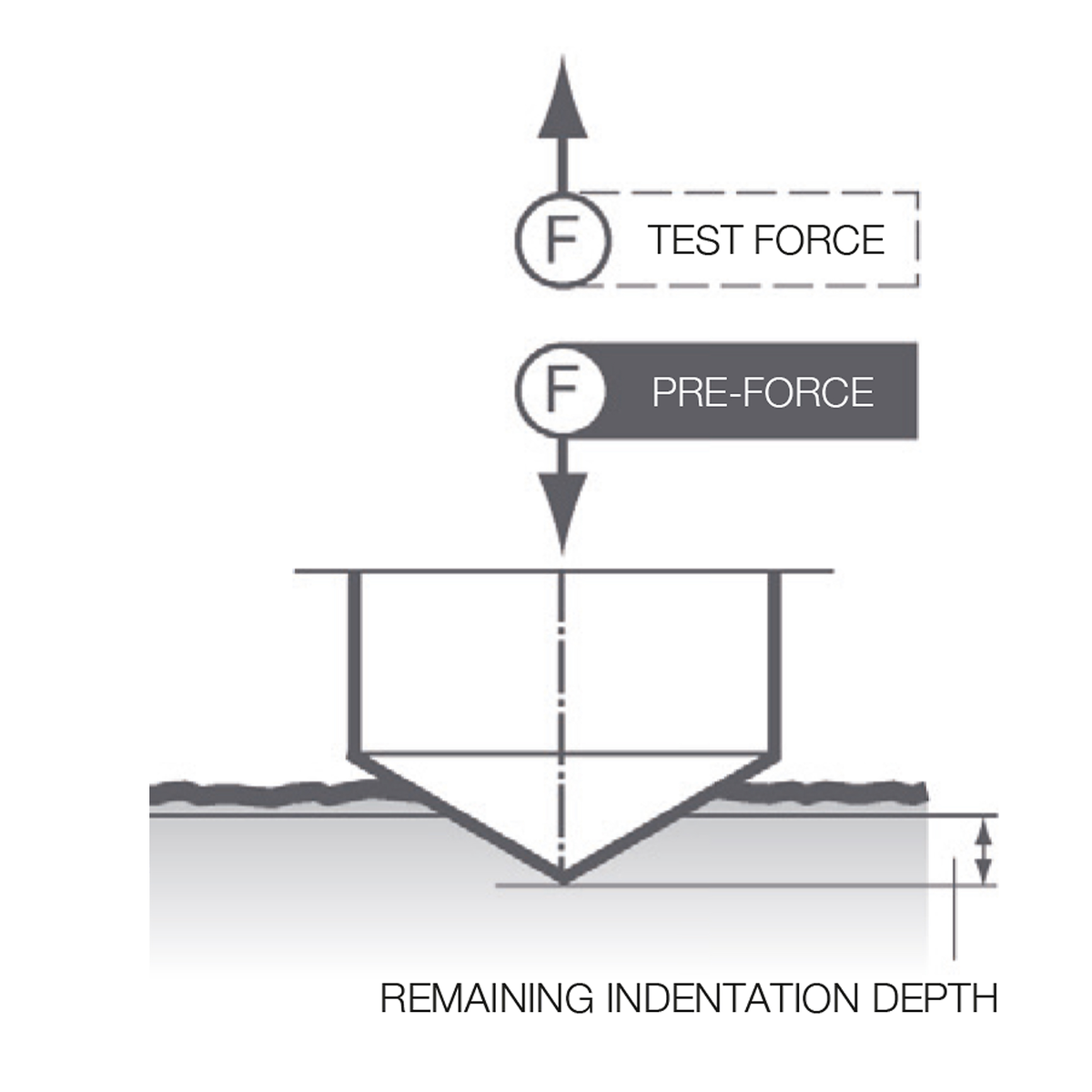
可选的维氏、努氏、布氏和洛氏硬度升级功能,集成于QpixControl2软件环境中。
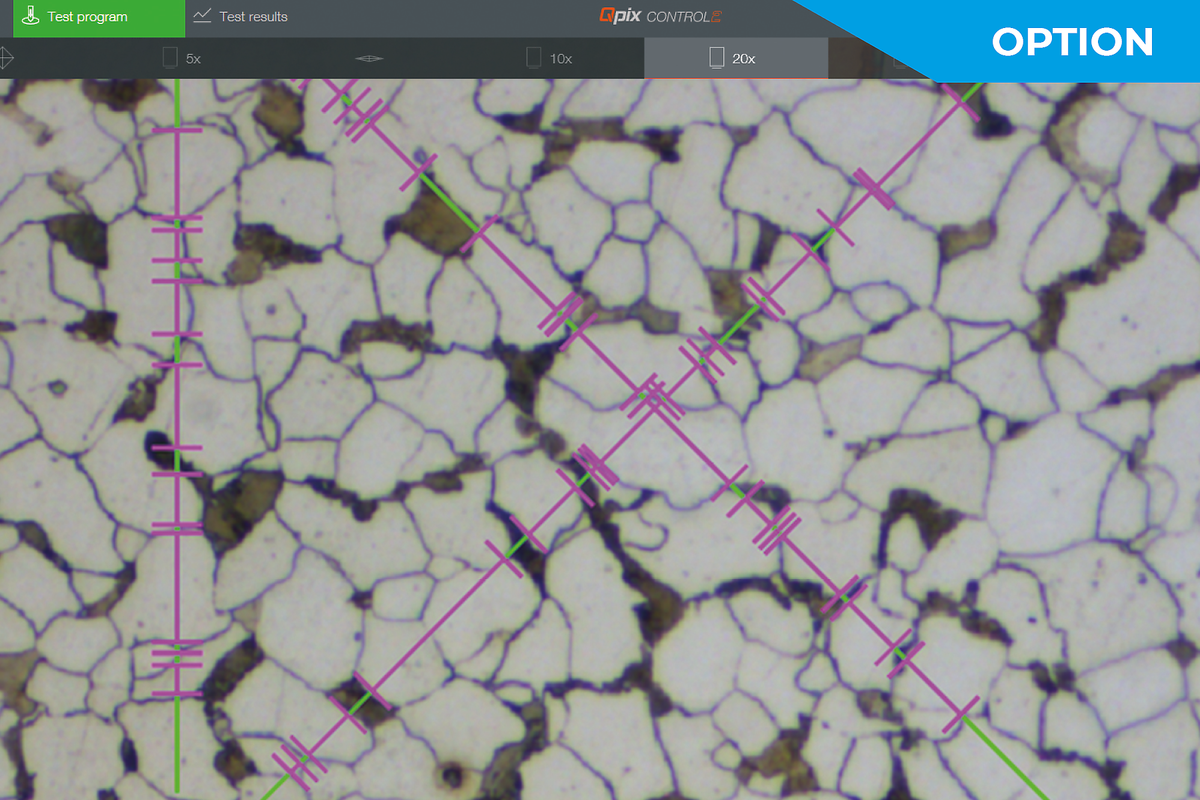
可选的涂层厚度、相分析、晶粒度和焊缝分析功能——从单一系统获取更多信息。
采用渐进式或恒定载荷的可控划痕测试 - 用于评估涂层、表面及临界载荷。
Vickers
DIN EN ISO 6507, ASTM E-384, ASTM E92
Knoop
DIN EN ISO 4545, ASTM E-384, ASTM E92
Brinell
DIN EN ISO 6506, ASTM E-10
集成的测试结果转换
DIN EN ISO 18265, DIN EN ISO 50150, ASTM E-140
* 非标
可选的Qpix Inspect模块为Qscratch 20扩展了涂层评估的实用功能。坑状磨削法支持依据DIN EN ISO 26423标准进行显微涂层厚度测量,而洛氏附着力测试则可根据DIN EN ISO 26443标准对陶瓷涂层进行定性附着力评估。这些功能可在熟悉的QpixControl2软件环境中直接采集、分析并记录涂层质量的附加信息。
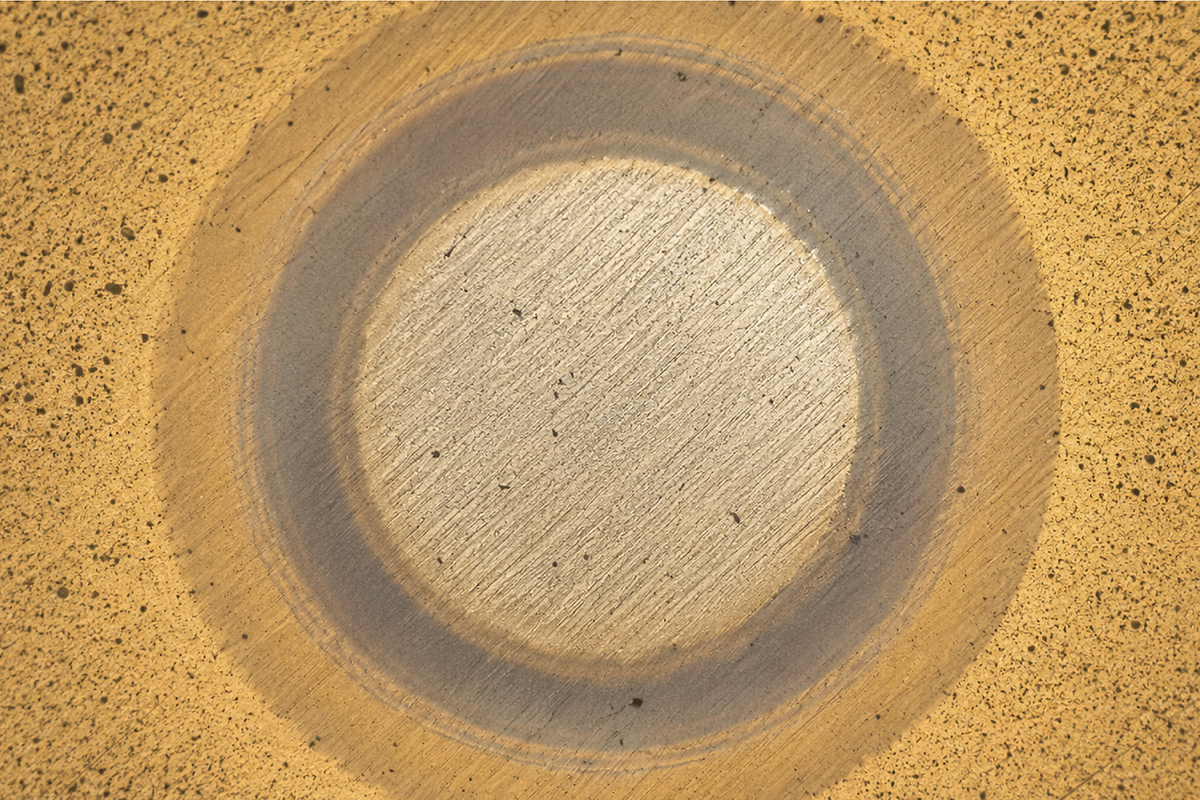
根据DIN EN ISO 26423标准,作为涂层评估的补充信息,采用坑状磨削法进行显微涂层厚度测定。
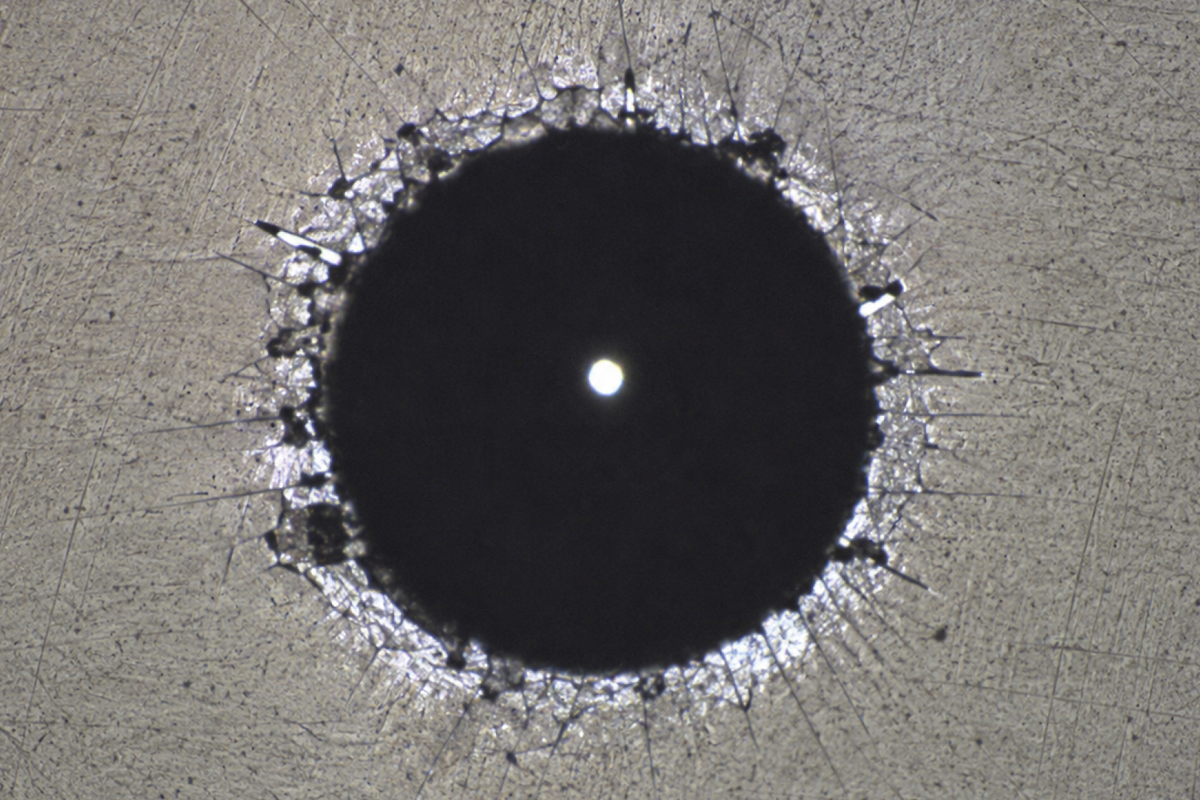
Rockwell indentation test for qualitative adhesion evaluation of ceramic coatings in accordance with DIN EN ISO 26443.
直观和用户友好的Qpix INSPECT分析软件为显微测量和结果文档提供全面的工具箱。该多功能软件可以根据客户自定义的测量任务进行定制并补充附加模块。
所有配备QpixControl2和QpixT2软件的QATM硬度计都可无缝集成到Verder Scientific物联网平台中,提供增强的功能和无缝连接。
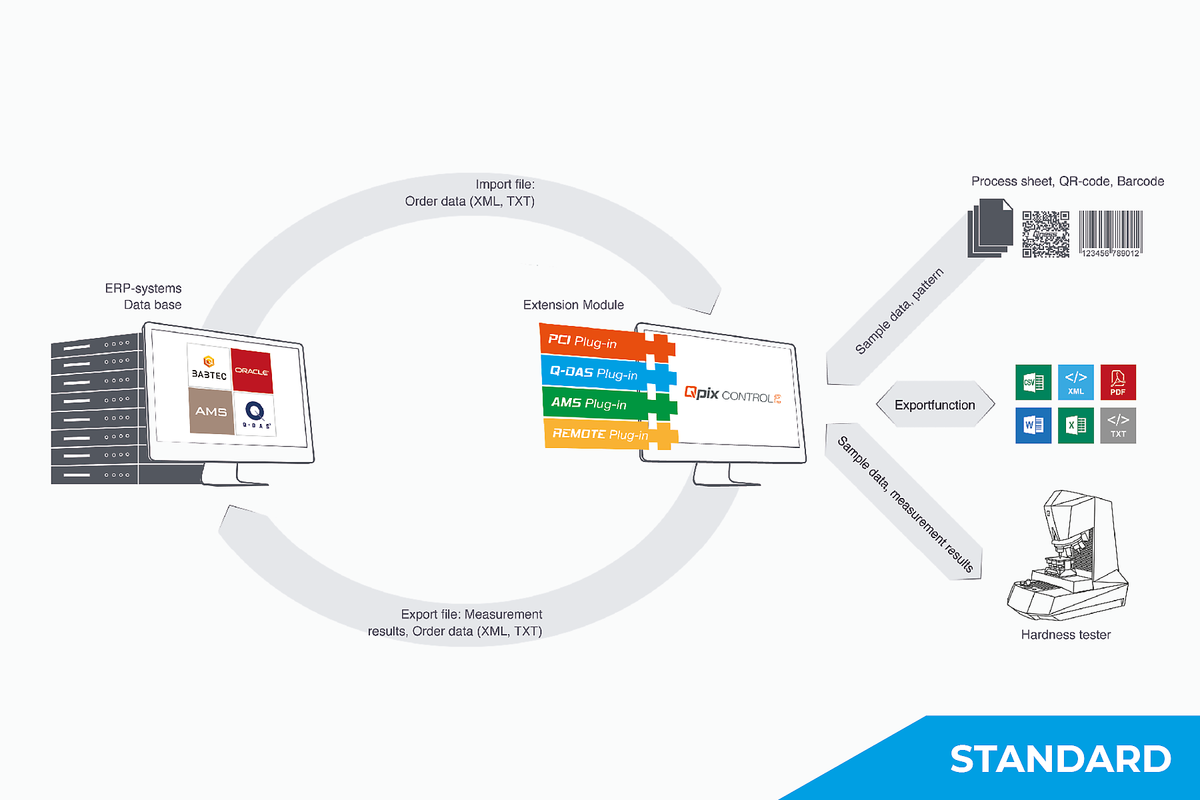
Qconnect是Qness Qpix Control2软件中的界面,包含从组装生产线,打开XML界面(双向)和预定制插件方案比如QDAS插件,直到客户定制连接解决方案被QATM完整执行的组合。针对每种应用需求,我们都有专业的解决方案。
测试结果、Lc结果、划痕轨迹信息及测试参数可按结构化格式记录并导出。标准化的测试报告和灵活的导出选项便于将结果传递至质量保证、文档管理或更高层级的系统。
Qpix软件平台支持条形码和二维码阅读器。无论是简单插入头文件(序列),管理用于模板自动选择的读取装置的完全整合,或从上级系统(选配)中调用数据-条形码/二维码阅读器都简化了硬度计的工作程序,同时也防止了操作错误。
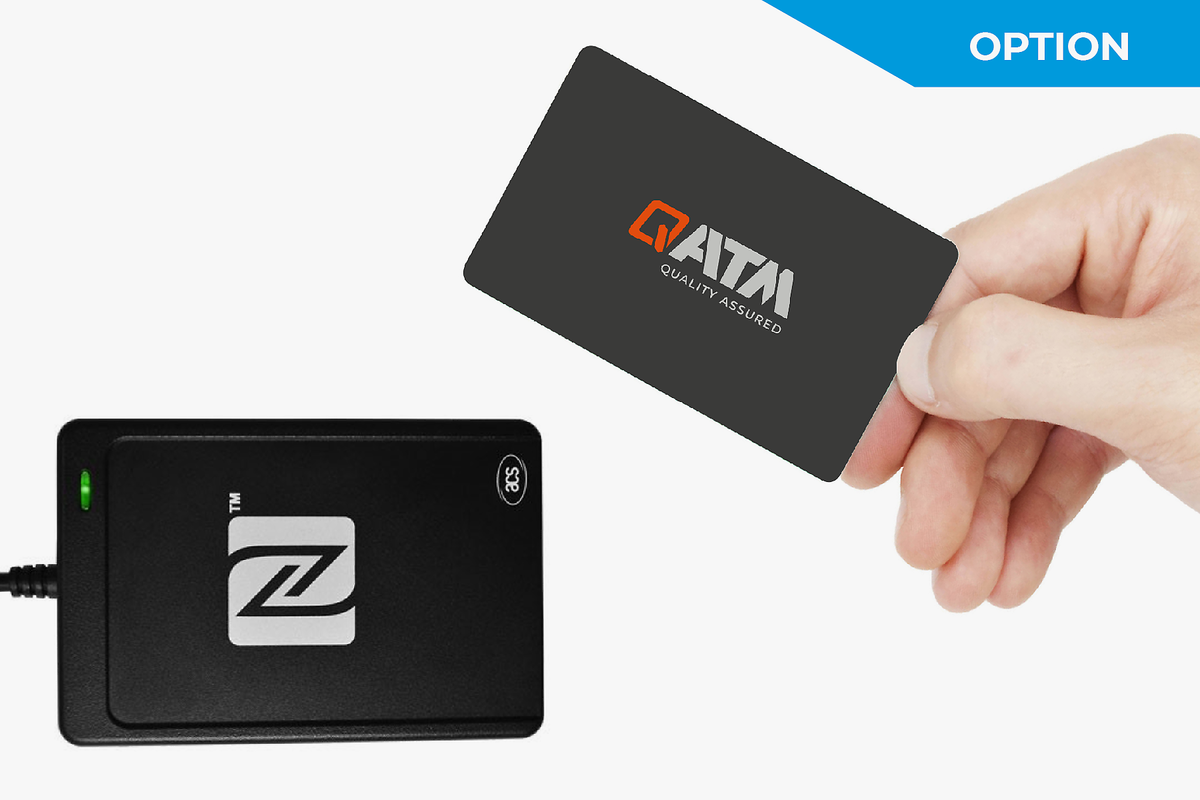
Qpix Control 2软件支持用户通过外部NFC读写器登录。举例来说,根据NFC标签/卡,客户现有的门禁卡也可以被编入程序。
| 测试力范围 | 0.5* - 200 N |
| 恒定加载 | 单次和多次测量 |
| 渐进加载 | 单次和多次测量 |
| Z轴 | Z 150 mm (5.91") |
| 转塔 | 8位自动转塔(最多7个物镜) |
| 基本设备包含 | 洛氏金刚石划针;5x, 20x, 50x物镜 |
| 物镜类型 | 用于硬度测试和显微分析的标准(消色差)物镜 |
| 全景相机 | 500万-CMOS彩色,USB 3.0; 52 x 39 mm (2.05 x 1.54") |
| XY试台 | 自动X/Y轴 |
| 载物台尺寸 | 150 x 120 mm (5.91 x 4.72") |
| 定位精度 | X/Y轴 +/- 0.2 µm |
| 行程 | X 150, Y 150 mm (5.91 x 5.91") |
| 控制元素 | 急停按钮,开始按钮,X/Y/Z轴操纵杆 |
| 最大允许工件重量 | 50 kg (110 lbs) |
| 主机重量 | 60 kg (132.3 lbs) |
| 可选 | 硬度升级和Qpix Inspect金相分析模块 |
* 0.5 N和1 N > 1%精度